
Fusion vs. Fission: The Future of Nuclear Energy
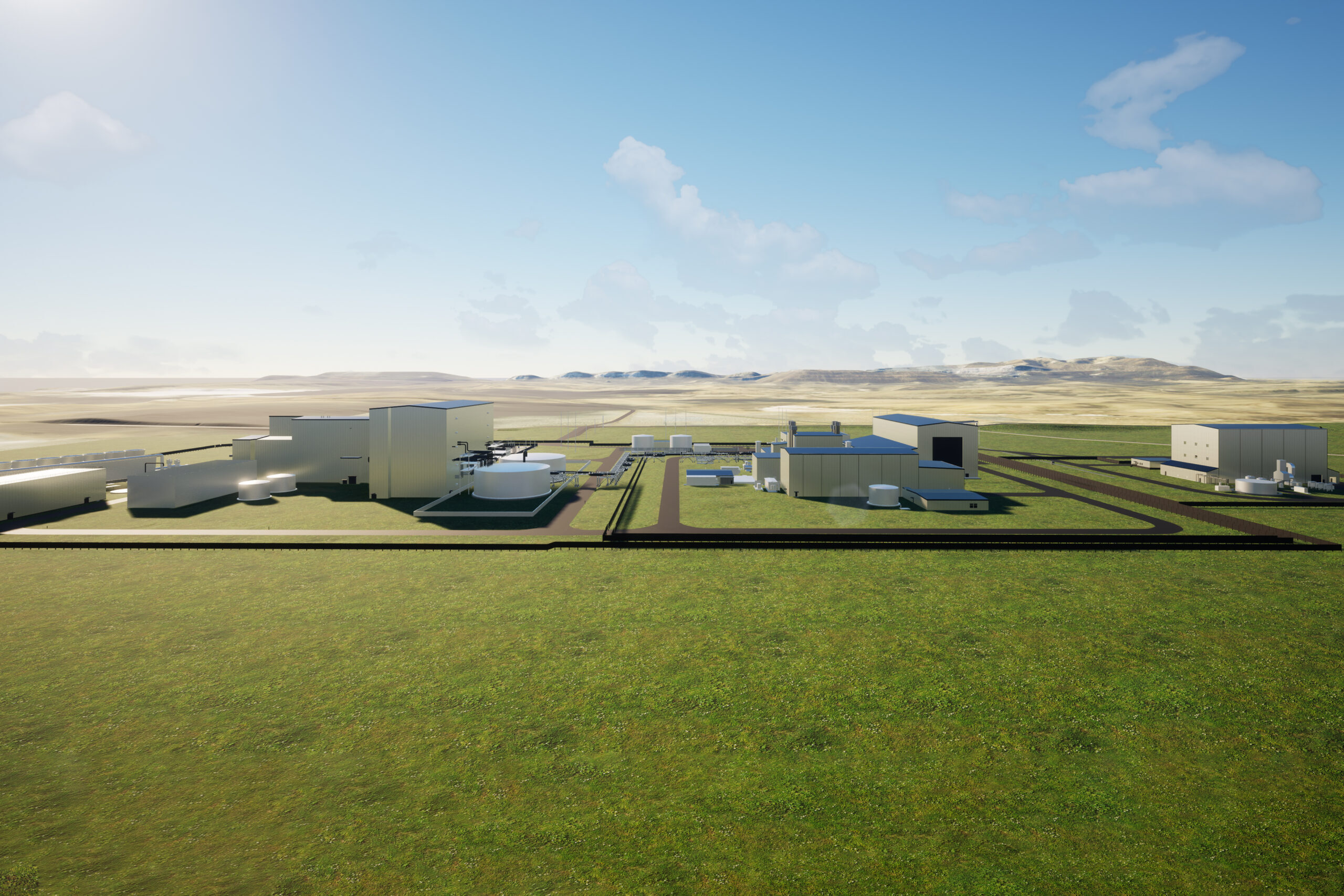
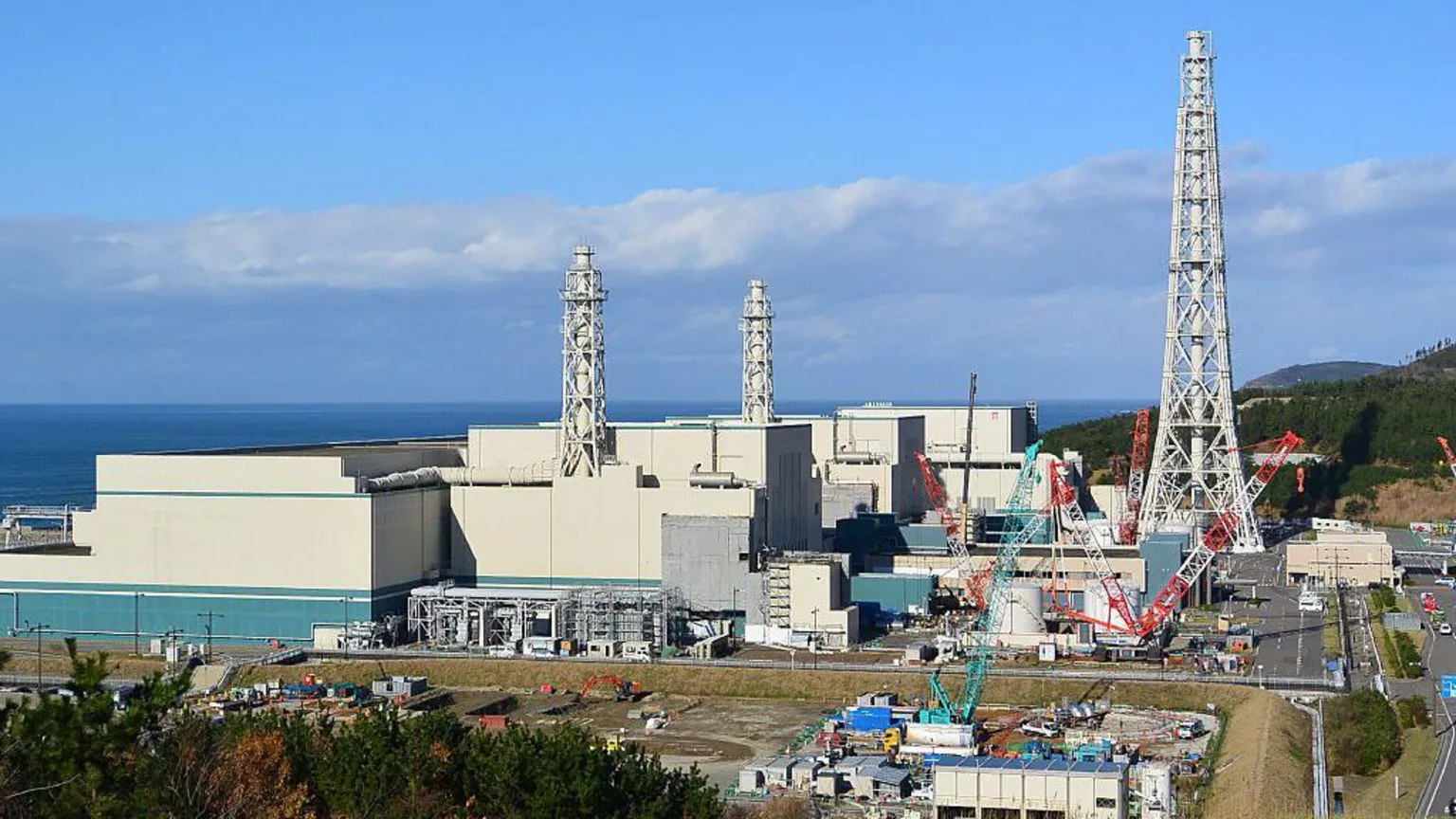
Fission is the underlying method behind today’s nuclear power plants. When elements like uranium or plutonium are split, heat is released and that heat boils water to create steam that spins turbines to make electricity. Engineers have built an entire industry around controlling this process safely and efficiently. Reactor designs such as PWRs (pressure water reactors) and BWRs (boiling water reactors) dominate the industry, with advanced versions including fast neutron reactors and molten-salt reactors under development. Clearly, fission has its strengths. It has proven, scalable, and continuously reliable. But it has some disadvantages. Managing radioactive waste, maintaining reactor safety, and building new plants at competitive costs are big challenges. In an effort to address these challenges, engineers are now considering SMRs (small modular reactors) and MMRs (micro modular reactors), which are compact systems designed to be safer, cheaper, and easier to deploy.
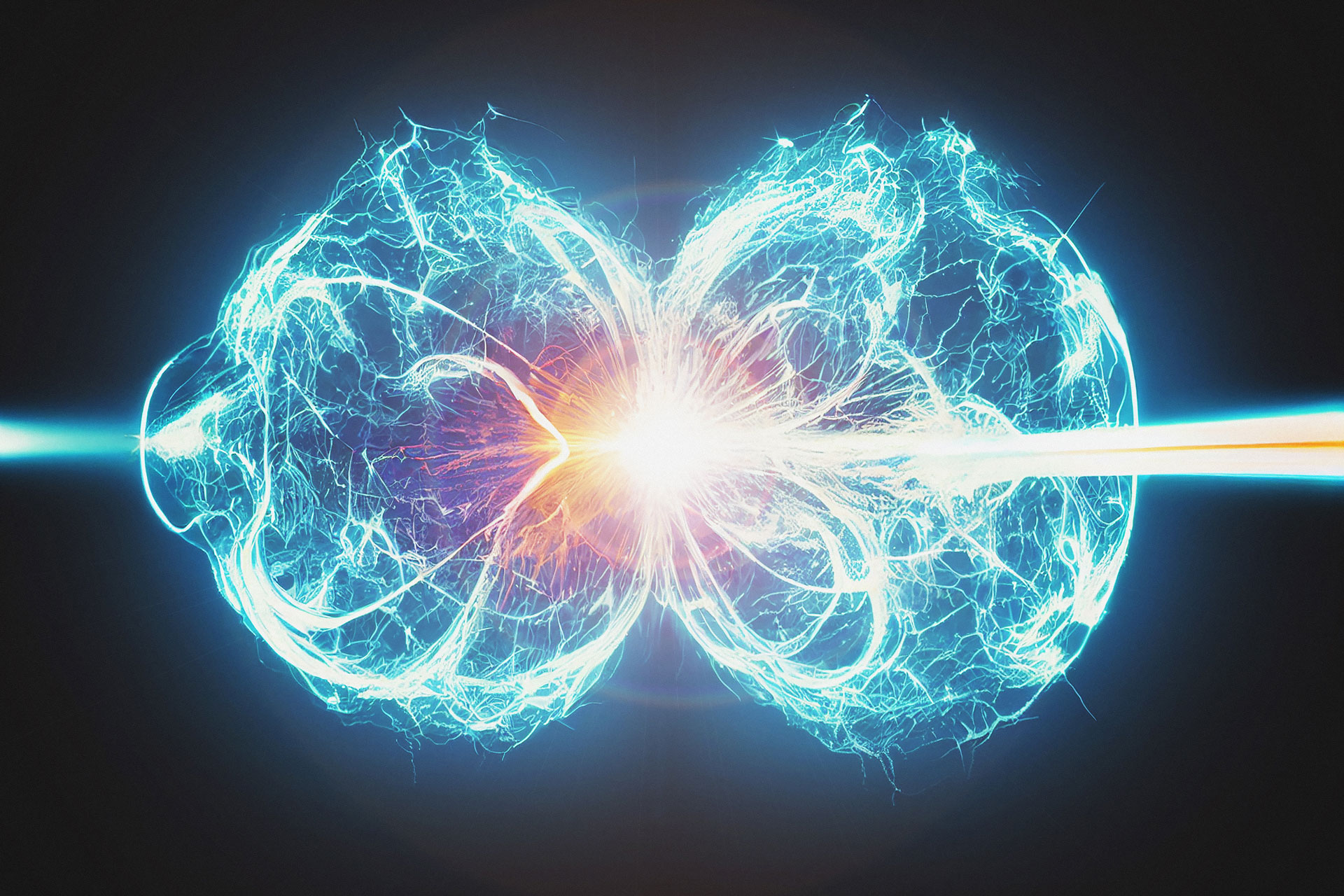
Fusion flips the script. Instead of breaking atoms apart, it fuses lighter ones like hydrogen isotopes together until they become something heavier. This unleashes huge amounts of energy. On paper, fusion sounds perfect. Almost endless clean energy, barely any waste, and no meltdown risk. The fuel is everywhere, and if something goes wrong, the reaction just stops. The real difficulty is that achieving fusion means heating fuel to temperatures hotter than the Sun’s core, and then using intense pressure or strong magnetic fields to contain the plasma. Big projects like ITER in France and NIF in California are leading the research. At the same time, private players like Commonwealth Fusion Systems, Helion Energy, and others are racing to build smaller, faster, and more practical fusion reactors. Fusion is still in the experimental stage, but progress lately has been incredible. Some experts even think we’ll see commercial fusion power feeding the grid in the next 20 years.
The Next Steps of Fission and Fusion
Both fission and fusion are getting a fresh look. For fission, engineers are working on next-gen reactors like SMRs and MMRs, coming up with better fuels, and finding smarter ways to handle waste. With fusion, it’s all about inventing materials that don’t melt under high amounts of heat, building even stronger superconducting magnets, and figuring out how to turn plasma energy into electricity you can actually use. It takes all kinds of engineering like thermal, materials, control systems, data analytics to make these ideas work. There’s room for both approaches. Fission can keep delivering steady power, while fusion is the big hope for truly unlimited clean energy down the road.
The next few decades are going to be important. Engineers starting out now can help launch the first working fusion plant or innovate fission reactors from where they stand today. Success means knowing the physics, building materials and systems that survive brutal conditions, and always balancing bold ideas with safety and cost. Plus, someone has to communicate clearly with policymakers and the public about nuclear energy’s role. Nuclear tech is complicated but it’s also one of the most exciting things happening in engineering right now. Whether it’s fission, fusion, or both, the next wave of engineers will be the ones who finally figure it out.

Leave a Reply