
Summary
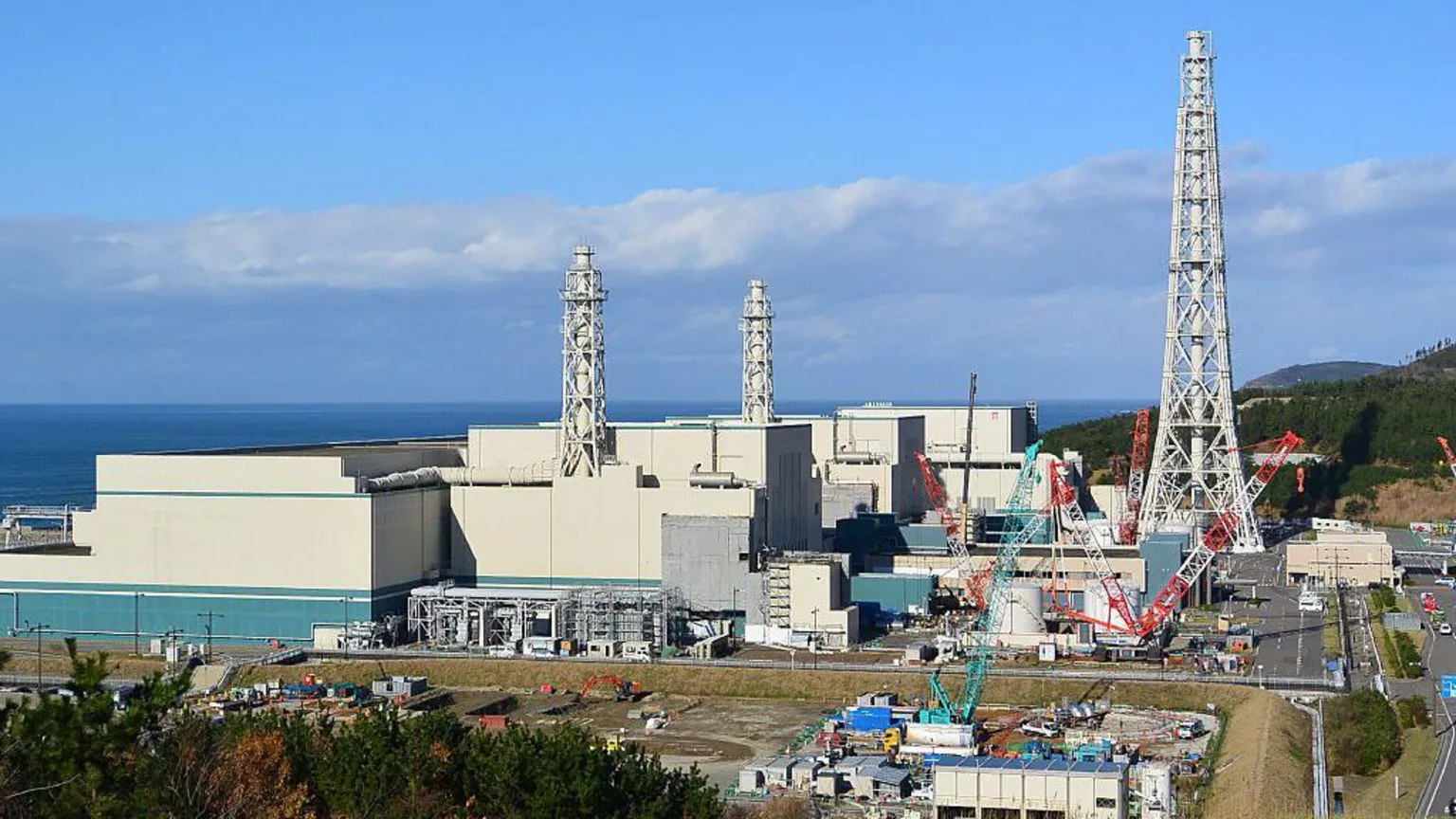
Tokyo Electric Power Company (Tepco) suspended operations at the Kashiwazaki-Kariwa nuclear plant’s reactor 6, the world’s largest by installed capacity, following an alarm during startup procedures. The reactor was stable and no radioactive release occurred. The restart, the first since the 2011 Fukushima disaster, was delayed by technical issues. Tepco is investigating the cause, and commercial operation is postponed. Only 15 of Japan’s 33 operable reactors have restarted since 2015, reflecting ongoing challenges in Japan’s nuclear sector.
Key points
- Kashiwazaki-Kariwa reactor 6 was suspended hours after restart due to an alarm during startup.
- Tepco reports the reactor remains stable with no radioactive impact outside the facility.
- The restart was already delayed by a day due to a previous technical issue.
- Reactor 6 is the first at the site to restart since the 2011 Fukushima disaster; reactor 7 is not expected online until 2030.
- Japan has restarted 15 of 33 operable reactors since 2015, with ongoing public and technical challenges.
Why it matters
- The incident highlights persistent technical and public trust challenges in Japan’s nuclear sector post-Fukushima.
- Delays and suspensions at Kashiwazaki-Kariwa impact Tepco’s ability to contribute to Japan’s net zero emissions goals.
- The event follows a broader trend of cautious nuclear restarts in Japan, with only a minority of reactors returning to service.
- Local opposition and technical scrutiny continue to shape the pace of nuclear restarts.
- This development may affect Tepco’s operational planning and Japan’s overall energy mix, as seen in related coverage of nuclear restarts and policy.
Source
Draft generated automatically for Engineering235. Editor review pending.

Leave a Reply