

In the wake of a new clean energy revolution, a look towards nuclear is a favorable option for a lot of power for a long time. However, with negative sentiment towards this power source due to catastrophic historical incidents, research into the designed safety of reactors has been conducted heavily in recent years since the decline in nuclear power implementation.

After the incident in Chernobyl and Three Mile Island, a worldwide decline of nuclear reactor construction occurred. Although many plants were still active, there were many regulations put into place to eliminate nuclear failures from happening ever again.
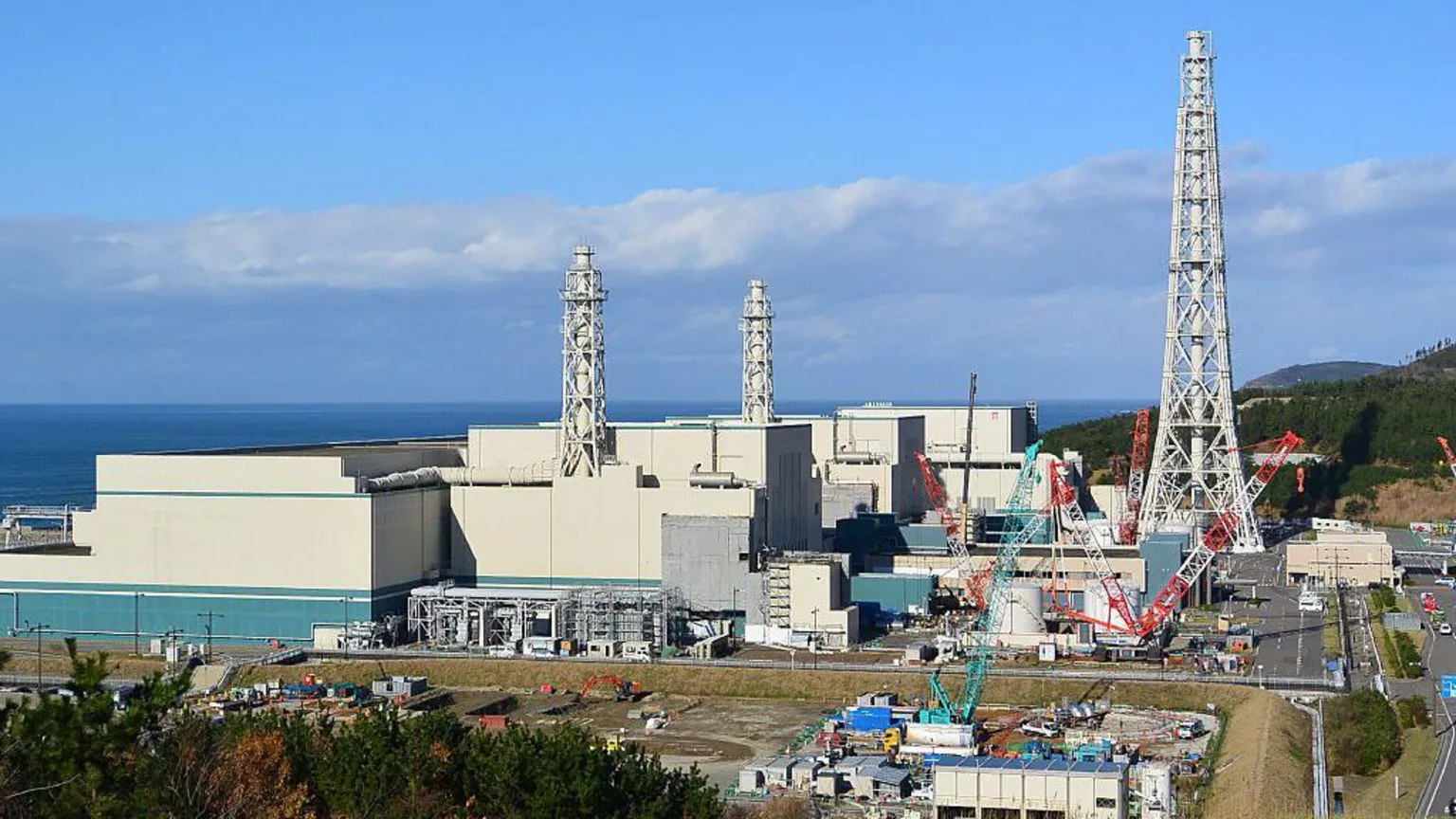
In 2011, a nuclear power plant in Fukushima Japan melted down after an earthquake hit the region. The design of this reactor was not conducive to avoiding an incident in the event of a natural disaster.
When an emergency with the plant made it so that the reactor needed to be shut down, it was found that the backup generators were wiped out by the Tsunami that hit the region after the earthquake. This led to a meltdown and a nuclear disaster that still impacts the region.
After this catastrophe, a look into the viability of nuclear power was once again enacted. However, contrary to a decline in reactor plant erection after the Chernobyl incident, the result of the Fukushima event led to a growth in nuclear plants implementation. What was different between the outcomes of these two events?
Safety Regulations in Designs
In the aftermath of the Fukushima disaster, it was of the mindset that eliminating nuclear was not the right option but that better regulations needed to be implemented across the entire industry. From the design of the reactor to the way that they are operated, nuclear plants are much safer now and catastrophic events are even less likely than they were before these regulations.
Whenever normal operating power is lost, the control rods are all released into the reactor automatically since they are normally withdrawn from the reactor by force against a spring. From here, diesel back up generators are kicked on to continue pumping coolant to the reactor. In the case where the diesel generators will not start up due to a disaster occurring, then other procedures are now in place to make it so that catastrophic failure does not take place.
Design features of the new reactors are now to the point where reactors could shut down on there own without power. How is this possible? Well in case of failure, plants are designed to cool down by taking advantage of natural physical properties. For example, cooling pumps and reservoirs default to open and are built above the reactor to utilize gravitational forces to flood the reactor. Although it requires more energy to run the plant normally with these regulations in place, it sets investors and the publics’ worries aside.

Safety features are in place in case an issue in the cooling line arises. Let’s say that a pipe bursts in the cooling system. This drop in the pressure below a set level of the coolant system forces a valve in the emergency coolant system to open automatically. The valve that opens creates a flow path for a reservoir of cooling water to the reactor vessel. When the cooling water enters the vessel, the fuel rods cool down.
Pressure builds up from this process again since now there is more liquid coolant in the water. Steam is naturally drawn out of this and sent over to another reservoir to condense it down. The condensate is released to the first reservoir and the cycle continues. This process can keep the reactor subcritical for 72 hours before the tanks need to be drained and refilled of cooling water.
This is not the only safety feature. If the first safety feature fails, then as you could imagine, the cooling water would be converted to steam, and the level would decline. A level detector indicates if the cooling water in the reactor is too low and automatically lets of a pressure relief valve to release steam in the system. The steam is released into another tank of cooling water and condenses into the solution. Displacement of the steam in the reactor takes place from this tank as well as cooling water drains out into the vessel due to the incoming steam. This process contributes to the cooling of the reactor in case of emergency.

This entire process of safety features take place without any need for human operation. It all takes place automatically with natural forces.
Implementation of Safety Features in Active Reactors
The US Nuclear Regulatory Commission instituted that these implementations must take place to continue producing power. The deal with these safety regulations is that you must redesign the reactor plant from the ground up. Unfortunately for these nuclear power plants, this means that they must invest huge sums of money to get these procedures implemented. Otherwise, their plant would be shut down.
The good news is any plant that wants to stay around must abide by the safety policies that will mitigate any issues like the Fukushima incident from happening again. This also means that any constructed nuclear power plant will be created with these safety advancements as well. This gives the public assurance that the power source will be properly regulated for the safety of the environment and communities that we live in.
The AP1000 was the first western design of a nuclear reactor that implemented these safety features and was created by Westinghouse. These can be seen in operation today in Georgia at the Vogtle Electric Plant which produces a total of 5GW across their 4-reactor plant. This is the largest plant in operation in the US to date.

The Akkuyu nuclear reactor plant is a facility constructed in Turkey. Learn more about it another article to come!

Leave a Reply