
By Vince Manni
With the turn of the new year comes a new chapter for nuclear energy in many states across the country. Iowa and Illinois are two states ringing in the year by expanding their nuclear bases and infrastructure. This follows the recent trend across the country where states have increasingly moved to harness the clean and sustainable riches of nuclear power.
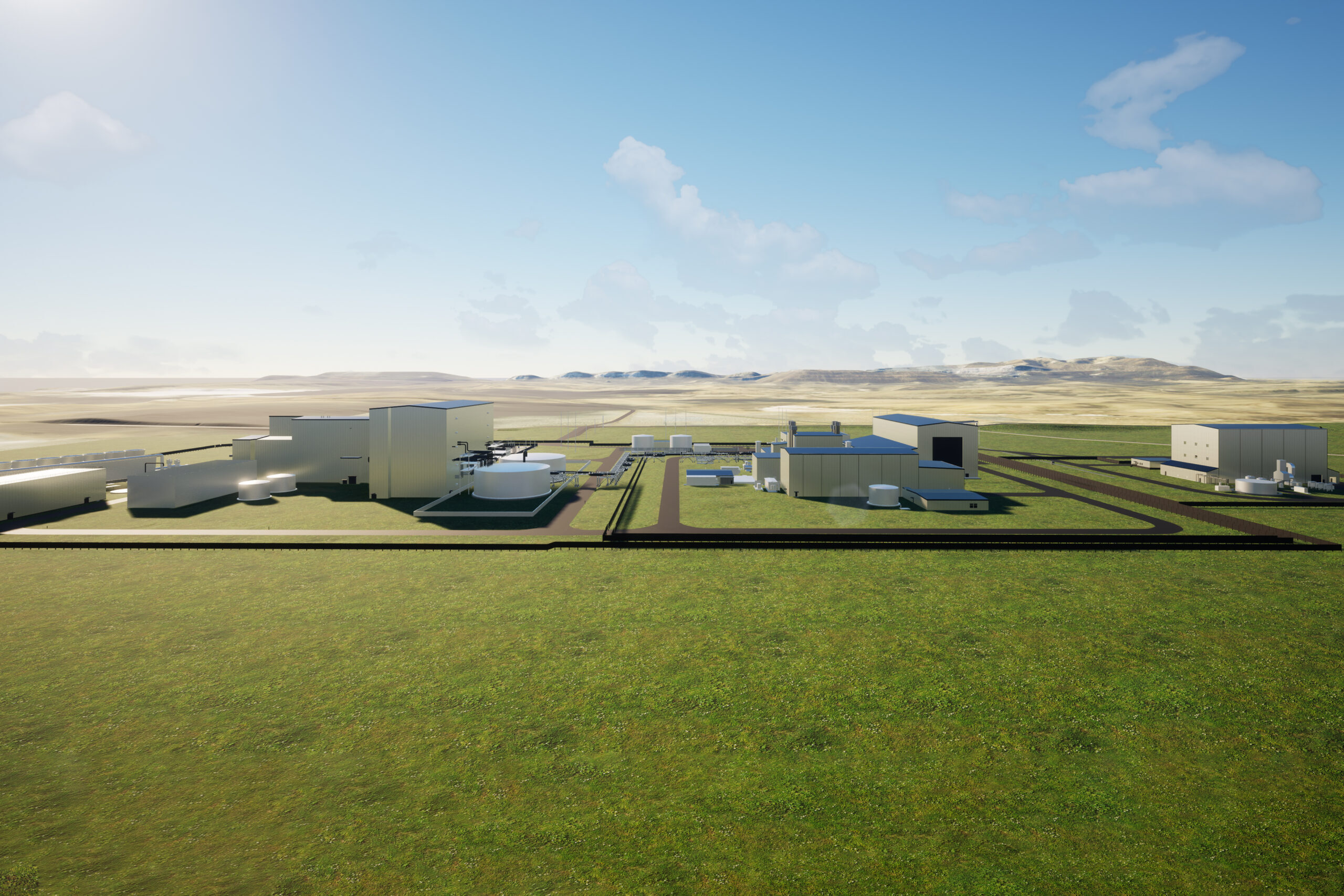
In the past few years California, Pennsylvania and Utah were among the most noteworthy states who took steps towards their nuclear future. Last year, California approved extending the operational lifetime of the Diablo Canyon Power Plant and Utah’s Governor Spencer Cox announced a first of its kind nuclear campus in Brigham City, incorporating energy production, part manufacturing and training programs. The Department of Energy’s $1 billion loan to Constellation Energy reinforces an agreement in Pennsylvania between Constellation Energy and Microsoft to restart the Three-Mile Island plant as the Crane Clean Energy Center. The loan lowers the cost of financing while stimulating and encouraging private investment. But now, both Iowa and Illinois are the latest to follow suit.
On January 5, Iowa Governor Kim Reynolds signed Executive Order 17, establishing The Iowa Nuclear Energy Task Force. Reynolds sees nuclear energy as “a vital part of Iowa’s energy future, and I am committed to advancing reliable, sustainable energy solutions that strengthen our energy independence and fuel economic growth”. The Task Force advises state leadership on opportunities to harness nuclear energy and generates a report, which according to Government Reynolds, will ensure the “safe, efficient and responsible integration” of nuclear energy in Iowa, potentially quelling many critics who fear the safety of nuclear power.
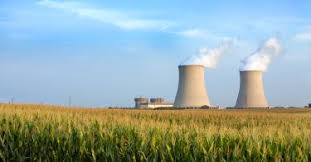
Linn County also granted approval for a request to rezone the Duane Arnold Energy Center (DAEC), Iowa’s only ever nuclear power plant. DAEC opened in 1975 and was forced to shut down prior to its set decommission date in 2020 after damage to a cooling tower. Last October, NextEra Energy, looking to expand its vast clean energy portfolio, penned an agreement with Google for restarting the DAEC. NextEra hopes to begin supplying Google with nuclear power from the plant as early as 2029 and fulfill its 25-year agreement through 2054. Nuclear energy has increasingly become a preferred baseload option for energy-intensive cloud and AI operations for its reliability, sustainability and carbonless emissions: In Linn County, Google’s intentions are no different.
For the plant to restart, Linn County, where DAEC resides, needed to approve the 400 acre rezoning request submitted by NextEra Energy, and last week Linn County Supervisors gave their approval for the request. The reopened DAEC will generate 615 megawatts, create over 400 onsite and full time jobs and generate over $9 billion in economic benefit to Iowa.
Illinois is also making strides to harness nuclear power. Governor JB Pritzker signed the Clean and Reliable Grid Affordability Act. The aptly named bill sums up the biggest advantages of nuclear, clean, reliable and affordable. In signing the bill, Illinois is the latest to join in on the nuclear revolution and contribute to a nuclear renaissance. The biggest development from Governor Pritzker’s signature is the end of Illinois’ 30 year new nuclear ban. The Prairie State has not constructed a new nuclear site since the late 1980s. In 2023, Governor Pritzker lifted a moratorium on small nuclear reactors (SMRs), but the Clean and Reliable Grid Affordability Act opened the door for large-scale facilities.
It is reassuring and promising for future nuclear to hear prominent elected officials tout the value and importance of American nuclear energy, but the question of a large enough workforce to fulfill lofty ambitions looms. While many who fill these new positions have advanced degrees, they are not necessarily a prerequisite. Many of the newly created jobs in nuclear are quite technical, but they only require technical training and certifications, meaning that training a workforce will not be difficult.
If funds are allocated to promote and operate training programs, leveraging community colleges, union apprenticeships, and veterans, the workforce challenge becomes an opportunity. With the right investment, workforce development will accelerate, not constrain, the nuclear momentum now building across the country.
Vince Manni is an advisor at the Nuclear Advocacy Resource Organization
Sources
https://governor.iowa.gov/media/526/download?inline

Leave a Reply