

When discussing the growth of nuclear power usage, often enough nuclear waste is mentioned. According to the Department of Energy, the U.S. generates about 2,000 metric tons of spent fuel each year. While that may sound like a lot, this amount of fuel is what powers roughly 20% of the country. A football field size of nuclear spent fuel is not that much for what it provides in power generation.
There are many concerns when it comes to the safety of spent fuel transportation and storage. The process in place ensures that nuclear radioactive exposure to the environment is minimized, contrary to popular belief.
This article will dive into the process that nuclear fuel undergoes from the time it is taken out of the reactor, to the time it makes it to its final destination. From there, topics on what the future may look like will be discussed. To learn about what the process looks like before it goes into the reactor, read about the enrichment process and how fuel rods are made here.
What is Waste?
Nuclear waste is what is left over from nuclear power generation. This includes anything from the fuel that is used and deemed spent to any materials that may have become contaminated due to its use in the nuclear plant. Nuclear spent fuel is the subject of concern when it comes to waste due to its intense radioactive properties.
As nuclear fission takes place in the fuel rods, fission products become more prevalent. These fission products can be unstable and release energy in the form of radiation over time. This is called radioactive decay and is what makes the fuel rods hazardous waste, when not properly handled.
Nuclear fuel in the commercial industry is enriched to around 5%. This is deemed the point of maximized profitability. Any more than this, and the nuclear fuel becomes too expensive to process and any less does not yield enough energy every time a plant refuels. By the time the fuel reaches around 1% enrichment, it becomes more economical to install new fuel rods than to produce less power from the spent fuel. Thus, it is time to refuel the reactor. This event happens every 18-36 months depending on the reactor and initial enrichment.
As the fuel continues to react over its lifetime, fission products from the division of fissile U-235 build up. At some point, the amount of fission products gets to be greater than the remaining U-235 and the fuel is no longer functioning as intended. Here, the rods are pulled and deemed as waste. The fission products left behind are highly radioactive due to their unstable nature and emit radiation as they decay depending on the differing half-lives. This is where nuclear waste handling begins.
Fuel Removal from the Reactor
When the spent nuclear fuel is removed from the reactor, it is sent over to cooling pools, where it will spend many years in cooling pools. Here, the decay heat emitted from the unstable fission products dissipates and it can cool off enough to be placed into dry caskets.

The spent fuel pool at a nuclear power plant. Photo by the NRC
Once the fuel has cooled down enough to be removed from the cooling pools, it is placed into a container called a dry cask. The spent fuel will spend the rest of its life surrounded by an inert gas in a welded shut steel container and shielded by concrete or other shielding material to prevent radiation from emitting to workers and the public.

There are many regulations in place and enforced by the Nuclear Regulatory Commission to ensure the safe handling and security of spent fuel. A nuclear power plant must maintain and regularly prove their certifications meet the proper requirements in order to maintain and store their waste on site. More about the safe storage and handling of the waste can be seen here by the NRC.
Future Plans for Nuclear Waste
There are a few ideas for a more permanent solution when it comes to nuclear waste storage as it continues to accumulate over time. Funding for deep geologic disposal has lead to projects for permanent storage in natural resources. The US saw the rise and fall of the Yuka Mountain project which aimed to house US nuclear waste safely and permanently, but due to political tensions it came to an end.
Another permanent solution is to bury it deep underground in what are called boreholes. This gives way to an even safer permanent solution as it is further isolated from the earth’s surface and atmospheric conditions. The leading company on this today, Posiva Oy in Finland is planning to permanently store spent fuel at their site Onkalo, which is currently undergoing operations testing.
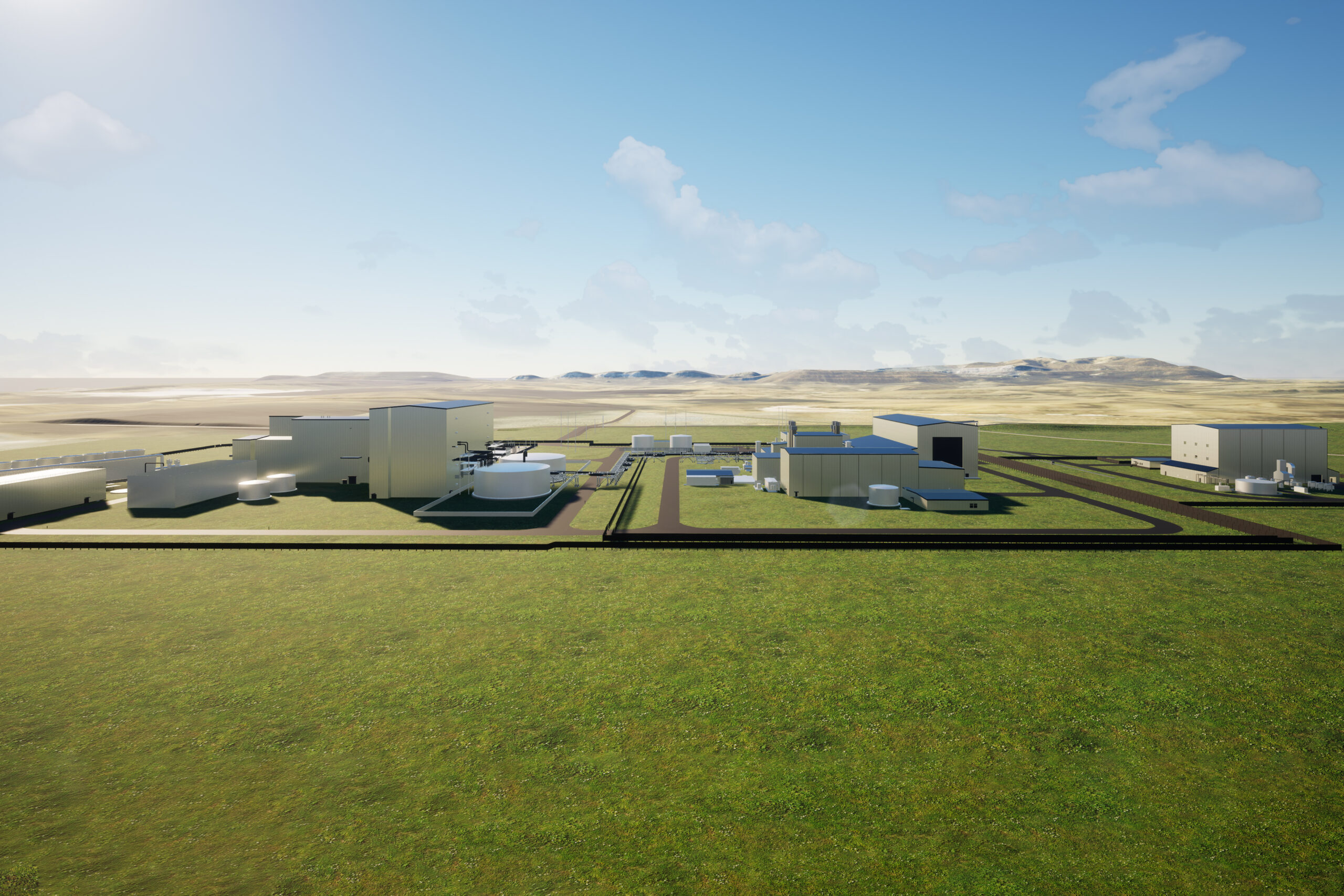
Recently, the Department of Energy (DOE) announced plans to move forward with their Consolidated Interim Storage Facility project. This aims to bring all of the nation’s spent nuclear fuel to one place before a solution is made for the final waste disposal solution. A key player in this initiative is the Department of Transportation (DOT) who will be cognizant of the safe transport of specially designed spent fuel casks. A simulated video lays out the vision here:
Another solution that it beginning to be implemented is the vitrification of nuclear waste. This process will melt the nuclear waste down with glass forming products to pour into shielded canisters for complete immobilization and easy storage. The Hanford site is currently building the world’s largest site for nuclear waste treatment which will vitrify and contain currently stored spent fuel for a more permanent solution.
Spent fuel recycling is also becoming more and more popularized as companies continue to research the potential use cases for this process. Companies like Oklo and Orano of France are committed to processing spent fuel to reuse the fuel in new reactors. This would reduce the volume of waste and potentially save money for new fuel in refueling operations.
Although nuclear fuel recycling seems like the perfect solution, there are many regulations around reprocessing spent fuel due to concerns of nuclear proliferation. As companies continue to research the benefits of this technology, regulators will have to look towards reforming how spent fuel is handled if this truly is the correct path forward.

To conclude, with the ramp up of nuclear power generation, spent nuclear fuel and nuclear waste is a becoming a larger topic for discussion. What will we do with all of it? How much will it cost to store it long term? Can we reprocess the waste and reuse it as new fuel? A lot of considerations go into the future of nuclear fuel waste storage,, and many great ideas could go into effect any day.

Leave a Reply