
With the growing reach of technology to further populations, the demand for power is increasing at an accelerated rate. Global electricity demand is expected to increase by around 4% in 2024 which is four times the rate at which the population is expected to increase by. As more rural parts of the world gain access to the internet and require more power to run their infrastructure, it is becoming increasingly more difficult to transport energy to people around the world. War causing damage to infrastructure contributes to strains on the power grid. Shifts from a fossil fuel powered grid leads to a more urgent need to find a clean power solution.
One proposed solution to this is the Small Modular Reactor (SMR). While nuclear power is becoming a more popular choice amongst the clean energy options, many companies are looking to find easier and more cost-effective ways to bring the power source directly to the grid.

In this article, we will discuss what an SMR is, how they are beneficial, the challenges they present, and the future they may hold.
So, What Are Small Modular Reactors?
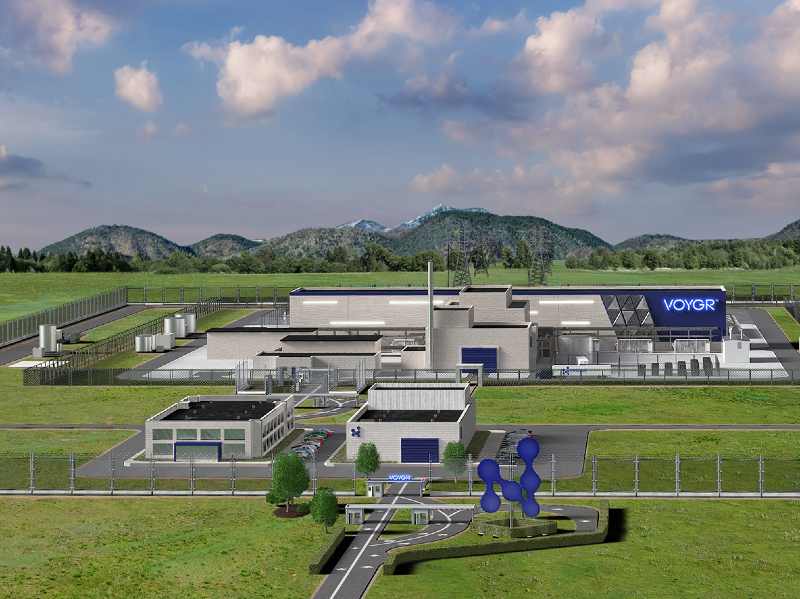
Small Modular Reactors are factory assembled nuclear reactors that can be deployed to different locations across the world. Since they need to be transported, they are smaller than conventional reactors, so they produce a smaller amount of energy. While large nuclear power plants produce about 1GW of power, SMRs produce around 300MW [2]. Although SMRs only generate a third of what large plants can, there are many benefits to using this technology that make it a desirable alternative.
- SMRs require less components. Due to the small nature of the reactors, they do not need as many components to run the reaction. Whereas large reactors have a large footprint with many cooling pumps and multiple steam generators (see pressurized water reactor or PWR). A smaller layout makes the SMR a more cost effective and easy to assemble plant, both attractive traits to investors.
- The implementation of SMRs requires less people for assembly and running the plant. This means you can build and operate more plants with the same workforce, which lowers the cost to run each plant.
- Historically, large nuclear power plants have taken up to 10 years to build and start generating power. Some companies take less than 2 years to manufacture and ship to the sight for power generation! That is critical for the deadline to be a net zero carbon emission world by 2050.
- SMRs provide limited radiation exposure due to remote operation of the plant. With a fully enclosed design, any radiation that leaks can be contained and detected without exposing anyone. This allows operators to isolate the problem remotely and gives us time to determine the best solution and execute work.
- The compact size of SMRs allows them to be shipped and assembled anywhere in the world. This makes power in rural areas possible and in disastrous times, a small reactor can be deployed to the area to help generate usable power.

They may be small, but they sure do pack a punch! Despite their size, SMRs can power up to 200-250 thousand homes. This is enough to power a medium sized city as big as Kansas City.
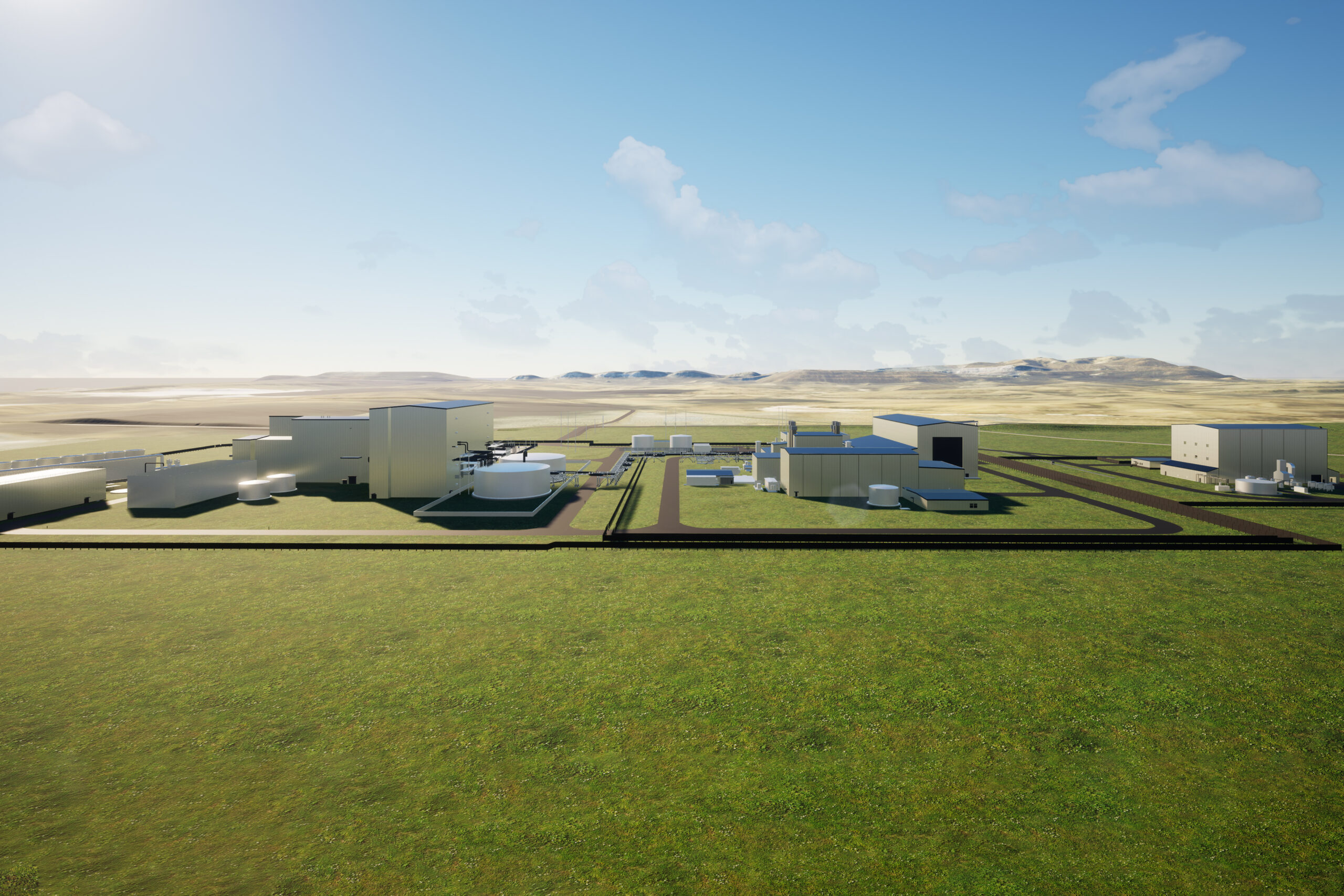
Manufacturing processes vary across different companies, but they all have the same goal in mind: to bring SMRs to the energy market. Some plans involve manufacturing components and pieces of the SMR and deploying them to the site for assembly to mitigate costs. Other ideas are to build the entire nuclear power plant into a compact enough size to ship the entire SMR to the site. Either way, the plans are a great step towards the utilization of this technology.
All Good Things Come with Some Bad
Though the potential for endless power sounds wonderful, there are still the pitfalls of nuclear power that are difficult to overcome. Public sentiment surrounding radioactive spills into the environment is difficult for people to forget about for obvious historical reasons. Even with increased safety features and designs based on radiation exposure mitigation, convincing the public to put these in their neighborhood is difficult to overcome. At this point, it is a matter of minimizing the risk to the point where the long-term benefits outweigh the potential for disaster before it can be considered. Engineering and manufacturing teams are putting their minds together to make the risk negligible but there still looms the negative public opinion that makes it difficult to turn towards nuclear power as an option. That said, public sentiment is growing faster than ever as safer technologies become developed.

The History of SMRs
At the onset of nuclear power discovery, endless opportunities were imagined for a future powered by the technology. At the end of the second world war, the U.S. military funded research in building small reactors for use in long range bombers for the air force [3]. This expanded to the Navy for the research and development of nuclear-powered surface ships and submarines. The army’s implementation of these power generators was short lived as well. Although the reactors proved to be a useful tool in desolate regions like Antarctica and various other deserts, poor funding of the program led to leaks of radioactive waste into the environment and a departure from the idea overall.
The U.S. Department of Energy was also interested in the use of SMRs as an option and deployed a collection of reactors with power outputs of less than 300 MW. This was short lived as well since it was more expensive to maintain for such a small power output. Competition with a booming natural gas industry that produced reliable and inexpensive power. Many of these reactors were decommissioned or used in research facilities and universities before being taken apart.
The idea of SMRs was not forgotten about though. The high installation costs of large and conventional nuclear reactors were a barrier to entry for the large-scale use of this type of power generation. This led to the proposition of smaller projects at a smaller cost once again in the 1980s. In 2012, small modular reactors were proposed once again as an option to combat rising global temperatures as other clean and renewable sources were looking bleak. SMRs are now a large topic for investors looking to mitigate billions of dollars in financial risk in large reactors while also considering better renewable options.
What is The Sentiment Surrounding SMR Implementation Today?
Since the Russian invasion of Ukraine, the country has suffered from power shortages leading to surges in energy costs. Russia continues to target Ukraine’s power grid as a strategy to weaken their infrastructure and the people residing there. If the technology to transport enough energy to power a major city existed at the time of the invasion, then Ukraine may have been less impacted by Russia’s incessant airstrikes. To go along with this issue, SMRs would benefit military operations and support operations to provide aid and relief efforts in times of natural disasters. This has shifted our focus once again to the modularized reactors.
Many startup companies and well-established companies of the nuclear industry are developing a manufacturing process to finally make SMRs a profitable endeavor. Companies like the startup, NuScale Power and the aerospace and defense company, Rolls Royce are just a few short years away from deploying their full scale SMRs to the world for implementation into our power grids.

If societal focus shifts towards the utilization of this developed technology, the potential for power is limitless. The manufacturing process to put these together is becoming more efficient and will soon be capable of building them faster and easier. This saves time and money, both of which get us closer to a clean energy future.
Resources:
- https://www.iea.org/news/global-electricity-demand-set-to-rise-strongly-this-year-and-next-reflecting-its-expanding-role-in-energy-systems-around-the-world
- https://www.iaea.org/newscenter/news/what-are-small-modular-reactors-smrs
- https://spectrum.ieee.org/the-forgotten-history-of-small-nuclear-reactors

Leave a Reply