
Nuclear fuel is a growing commodity as nuclear power becomes a more popular power generation source. However, the supply of enriched Uranium just dropped substantially as the US has turned away from the Russian driven market.
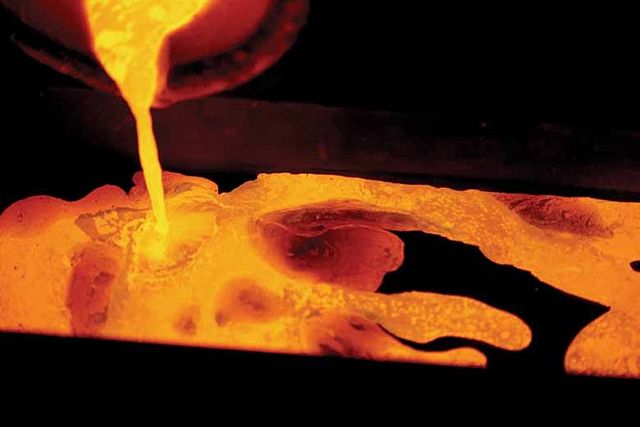
A look into a processing plant filled with history of producing Uranium fuel in the 1950s shows that a new process aims to fill this newly formed gap in the market. A simple process that involves melting down already heavily enriched Uranium and diluting it will help in making a little supply go a lot further.
Nuclear power currently produces around 18% of the US power as we start our increased drive towards zero carbon emissions. This number is on the rise as nuclear seems to be a favorable option as the backbone of the US power grid due to its 24/7 power generation and high energy density.

As the world makes its shift towards increased power generation from nuclear plants, enriched Uranium becomes a hot commodity. However, the greatest source of enriched Uranium comes from the Russian reserves.
Since the Cold War, the Russian nuclear program created a large amount of enriched Uranium. When their economy crashed down at the start of the 1990s, the US had implemented a stop to Uranium enrichment and nuclear weapons proliferation in Russia. However, they came to the agreement that they could sell the enriched Uranium to the world which stood to benefit them economically, along with the world as nations could begin to purchase nuclear fuel for power production.
With the war in Ukraine going on nearly two and a half years now, the US is turning away from purchasing enriched Uranium from the Russia as they continue to place sanctions on the nation. In an attempt to turn away from world’s leading enriched Uranium producer, the US is scrambling to find solutions to increase its domestic production of nuclear fuel.
What is one way to make up for this shift in supply? The US believes that fuel from unused nuclear warheads could be utilized to fill some of this supply chain gap.
Nuclear warheads that utilize enriched uranium is enriched to nearly 90% to fulfill its originally intended purpose. However, if stripped away from the surrounding pieces that turn the beneficial fuel into something catastrophic, then it can be used for good once again.
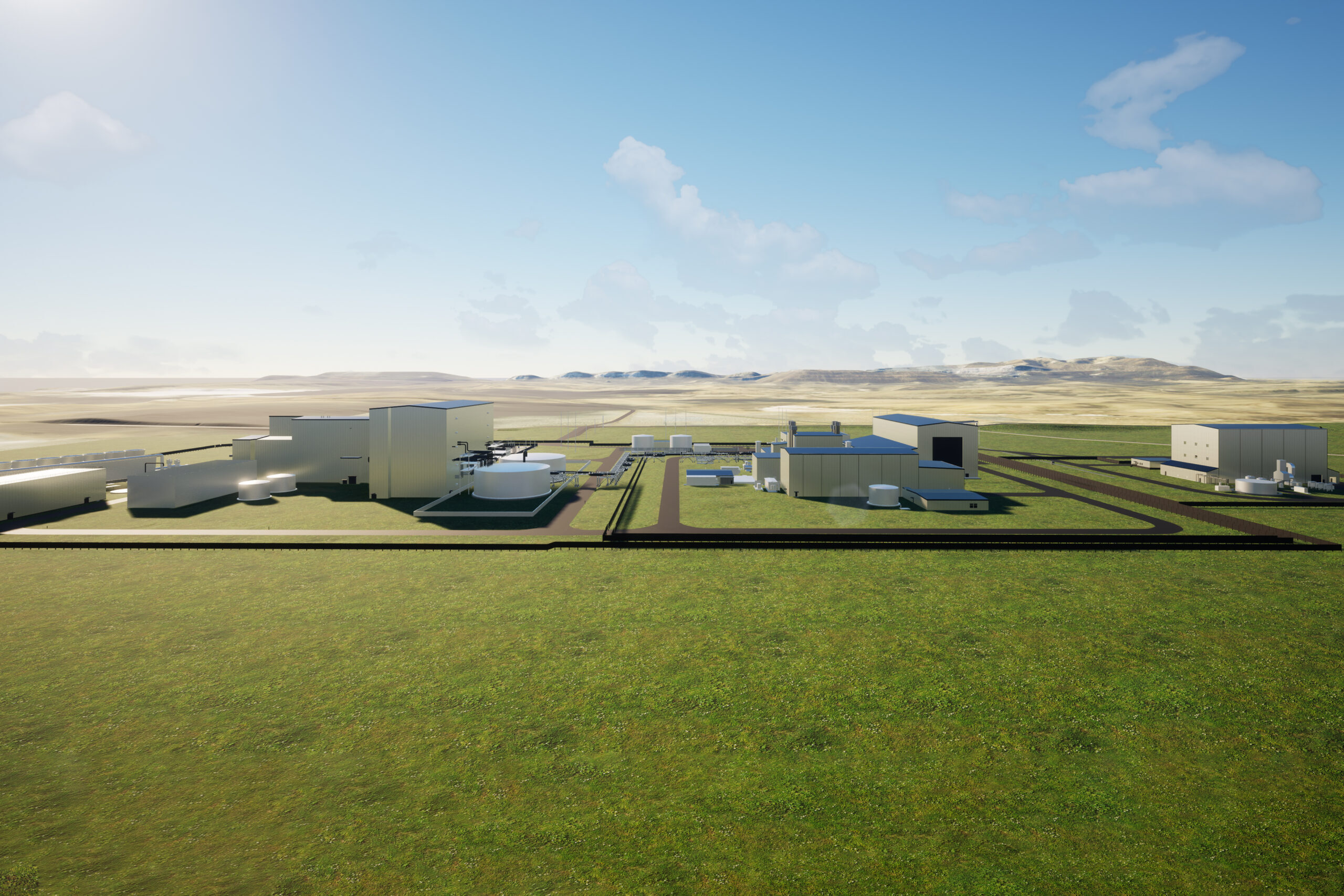
The new wave of advanced reactors being designed and deployed by companies like Terra Power and NuScale Power require High-assay low-enriched Uranium (HALEU) which is Uranium enriched to somewhere between 5-20% U-235. When the fuel is isolated, it can be melted down in a smelting pot with a fresh batch of naturally mined Uranium to become diluted down to HALEU. From this point, it is cooled down, leaving behind a large amount of properly enriched fuel for power production.

From the arsenal of nuclear warheads that make good candidates for this opportunity, the US predicts that they can generate around 15% of the country’s target amount of enriched Uranium of 40 tons. Idaho National Labs is working to figure out how this can be made possible with the current state of the nuclear warhead enriched uranium.
In the upcoming years, companies like Centrus Energy jump to the opportunity to produce and provide the upcoming demand of enriched Uranium as the US drives towards new developments in Nuclear Power implementation. For now, hopefully fuel from warheads may be able to subsidize the country’s need for nuclear fuel and invest in new technologies to make up for the shift in the enriched Uranium global market.

Leave a Reply