

By Vince Manni
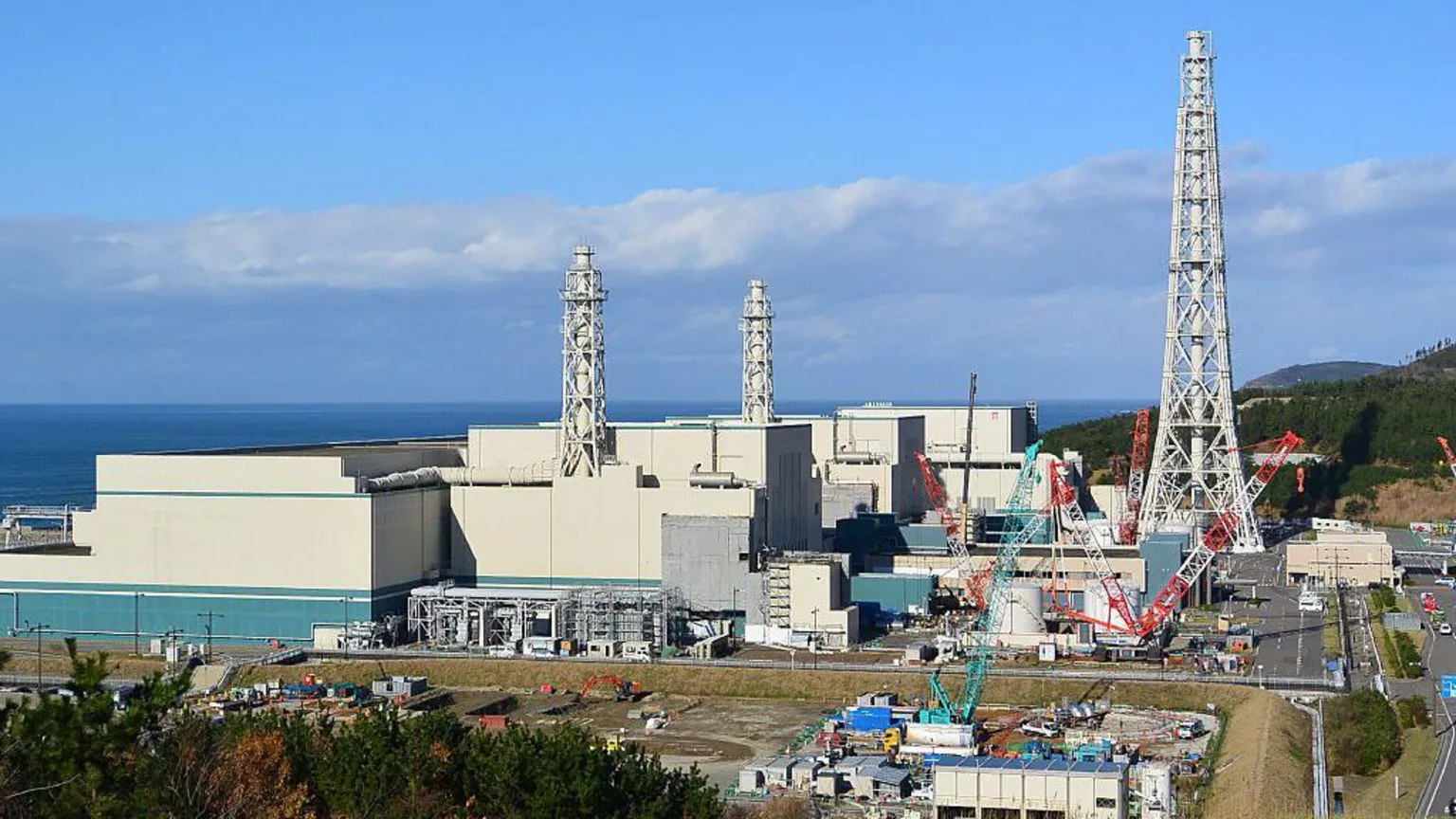
The next phase of nuclear energy is taking shape in unexpected locations—Japan and Pennsylvania—both of which have spent recent years opposing new nuclear development but are now reversing course. Since the 2011 Fukushima Daiichi disaster, triggered by a massive earthquake and tsunami, Japan’s regulatory and regulatory environment has faced significant setbacks. In the wake of the catastrophe, one of the world’s largest nuclear power plants in Kashiwazaki-Kariwa was shut down. There were plans to reopen the plant in 2017, but the idea did not materialize until recently.
Last Friday, the governor of Niigata announced approval for a partial restart of the Kashiwazaki-Kariwa plant. The plan is for the Tokyo Electric Power Company Holdings, or Tepco, the utility company that previously ran the Fukushima plant, to operate the facility. It would be the first nuclear plant Tepco has overseen since 2011. The plant awaits approval from both the prefecture’s government assembly and their national nuclear regulator. Additionally, public perception is split, only slightly favoring restarting the plant. According to a recent survey by Niigata prefecture, only 50% of residents were in favor of the restart, while 47% were against it. But getting the ball rolling is a huge step in the right direction for a more sustainable and net-zero low-carbon emission future.
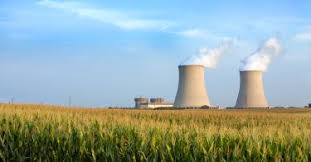
In Pennsylvania, the Three Mile Island Nuclear Generating Station, now called the Crane Clean Energy Center, in Londonderry Township, left communities across the U.S. hesitant and skeptical of nuclear power. But today, Constellation Energy partnered with Microsoft to reopen the plant. The deal was signed back in 2024. Additionally, it was announced there would be federal monetary support for the project. Last week, the Trump Administration and the Department of Energy announced a $1 billion loan to ensure America has sufficient energy capacity to support the growth in AI and domestic manufacturing and power Americans’ homes across the region. For Constellation, this loan will lower the cost of financing and stimulate and encourage private investment.
Both of these developments are a big deal for the nuclear energy industry. It is proof that the public perception of nuclear energy, once marred by past accidents, is rebounding. Plans to reopen one of the largest nuclear plants in the world, with more in favor than opposed, and a massive federal investment in Constellation and the Crane Clean Energy Center display a renewed confidence in the future of nuclear energy. Things are moving in the right direction, but work still needs to be done. Though small, these are incremental and meaningful steps toward a clean, reliable, nuclear-powered future
Vince Manni is an advisor at the Nuclear Advocacy Resource Organization

Leave a Reply