

Data center power demands are projected to increase the total amount of required power generation by 10% more than the typical anticipated trends of power generation requirements. The world is in search for a greater energy solution to meet the needs of today’s consuming market. Power usage has grown exponentially since globalization and will only continue to grow. World leaders and businesses are left with one question: how will we meet our power demands?
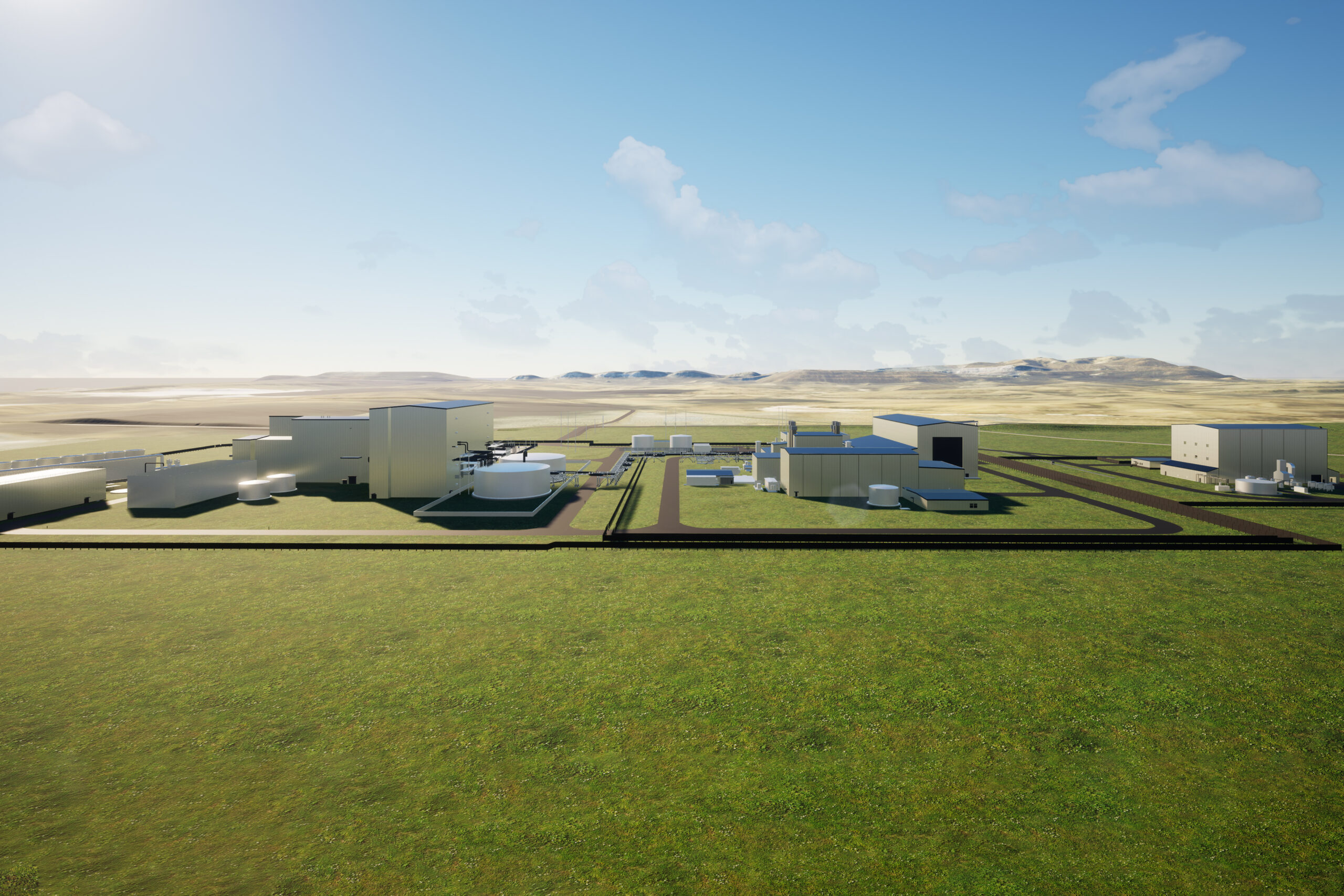
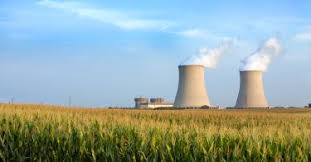
Large technology companies like Amazon, Google, and Nvidia have recently discussed their plans to utilize nuclear power to generate their massive, power consuming data centers due to the need for greater cooling capabilities. Microsoft’s Bill Gates has created a nuclear startup company aiming to bring an innovative, efficient, and safe design to the world. With this shift, companies are learning and adapting to the regulations of the nuclear market as they believe that nuclear power is the answer to meeting the world’s demand.

This is not to say that other forms of energy are not being considered. The technological advancements made in the solar and wind industry are not to be left behind. Elon Musk’s battery storage system for solar technology makes energy to the grid a great option for consumers to power their cities in most regions of the world. Aside from energy storage for off grid applications, these renewable options pose very little risk to the public and generate easily accessible energy for the grid.
In this article, we are going to dive into some of the options that present themselves and how they compare to each other as nuclear appears to be the leader in the new energy race.
The Call for Cleaner Energy
Fossil fuels contain a dense amount of energy, and the current infrastructure in place is built to utilize this energy to power our world. However, as you all may know there is a shift away from this as it has caused a drastic spike in the global temperatures in recent decades compared to the thousands of years before now. Now people are looking for the most efficient way to easily transition towards a cleaner means of power generation while also meeting the growing demands of our technologies.
A task like this is not easy and requires a full-fledged plan because if it is not executed with perfect accuracy, then power demands of the world will not be met. For this reason, fossil fuel usage is up over the past five years as a result of expanding access to technology around the world. In the meantime, plans and policies are being put into place to ensure that clean power goals are met in the near future and executed properly.
The United States and European Union have both set in place goals to reach carbon-free electricity generation by 2035. With over 60% of the US power generation still by fossil fuels a shift towards a cleaner future will be a lot of work. The Biden Administration passed a green deal to reduce greenhouse gas emissions to net zero by 2050. This is in line with the Paris agreement, an international agreement of the United Nations that aims to reach this same goal. With these goals in plan, there are many shifting investment streams stemming from governmental funding that will allow for strong innovations in the energy sector.

Oil and gas companies understand that a renewable future is the direction of the world, and they are getting ahead on innovating the energy sector. Dubai, a city funded on oil and gas sales have started a power plant aimed to produce 25% of their city’s power. Companies like British Petroleum, Shell, and Total are massive investors of carbon free generation methods and plan to continue being big players in the energy sector as petroleum becomes less relevant.
New Energy Sources to Consider: Nuclear, Renewables, or a Combination of the Two?
As governments and world organizations plan to shift towards cleaner energy infrastructure, private investors and companies are shifting their mindsets towards larger energy projects to lead the way on these new power demands. At the same time, power usage is the highest it has ever been and continues to be each consecutive year as new power demanding technologies such as AI hit the consumer market. Between government reform and rapidly increasing power demands, companies are left with little time to make drastic changes to their infrastructure.
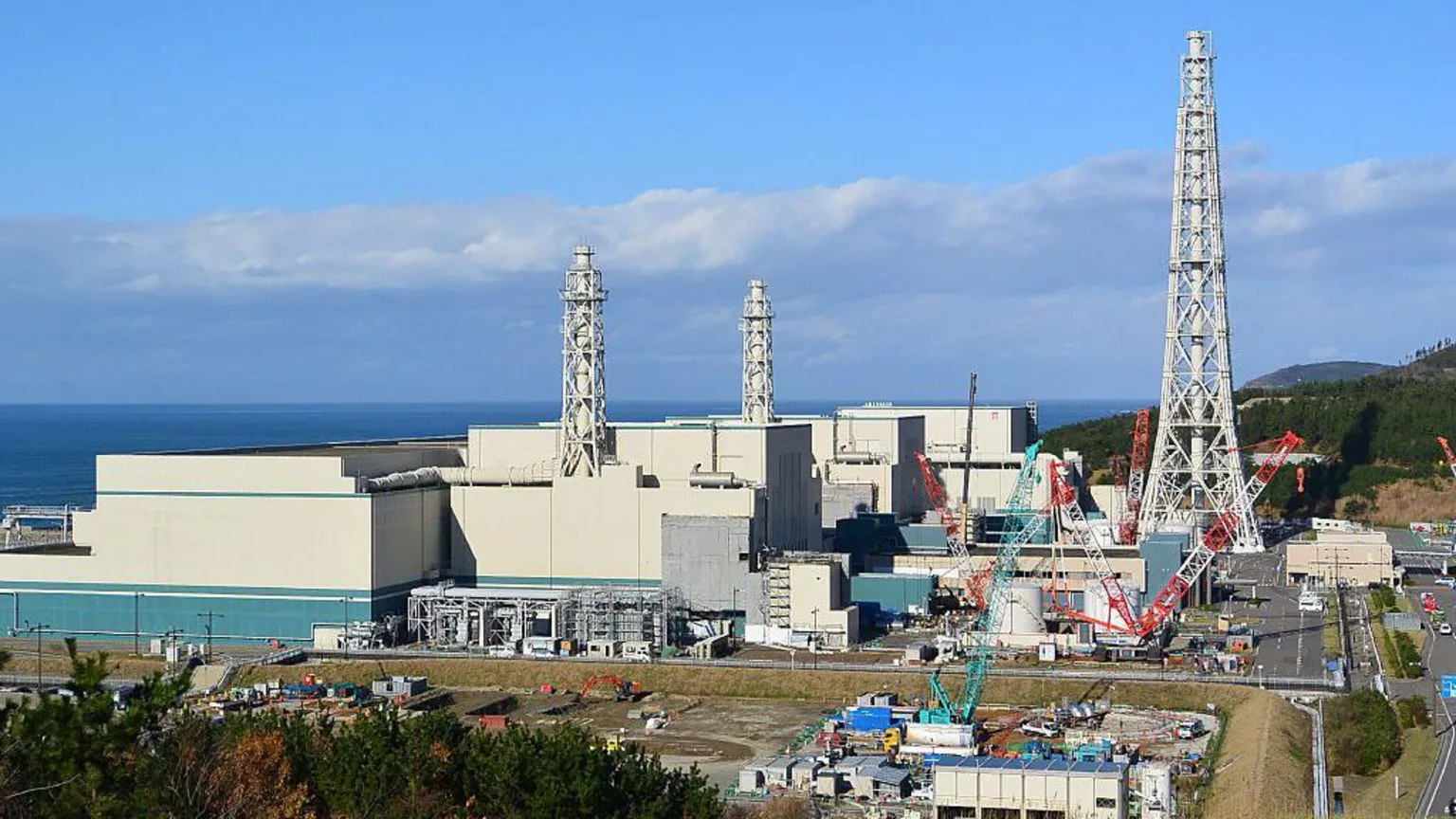
Since 2011 when the Tōhoku earthquake struck Japan and caused the most recent nuclear accident, the majority of the world was completely turned away from nuclear power. Many countries like Germany shut down all of their nuclear plants and passed laws that made the construction of nuclear power impossible. However, many countries learned from the design failures made by the Fukushima plant and decided that nuclear power was still a good option for power generation.
Today, France generates around 70% of its electricity by nuclear power since it did not only turn away from nuclear power but rather ramped up production. This is because the country noticed the flaws of past designs and learned from them. Now, France is on track to meet its climate goals.
Germany on the other hand abandoned their nuclear power plans and are now struggling to meet carbon zero grid demands. That said, they have been able to sustain 52% of their grid with the use of renewable energy sources like wind and solar. These two cases will be good indications of how infrastructure run on nuclear versus renewables will differ in the future.

Next, we will look at a few renewable energy source options that present themselves and how they could fit into our current infrastructure to meet power demands. Finally, we will determine how these options stack up against nuclear power.
- Solar
Solar power contributes almost 4% of the power generated in the United States. This makes up about 27% of the world’s solar electricity generation. The world has continued to expand its use of solar energy as it now makes up around 5% of the global electricity generation according to the IEA. This may seem like a small number compared to the amount of energy produced by other sources, but it is just now becoming a very popular choice as technologies are at a point where it fits well into our infrastructure.

There has been a great deal of research and funding that has gone into making solar power as efficient as possible. At the beginning of market wide implementation of home use solar, the panels were only around 15% efficient at converting photon energies to electricity. Now, commercial panels can obtain efficiencies of around 22-24%. Renogy (https://www.renogy.com/) has created this graphic to demonstrate solar efficiencies over the past 40 years:

Not only has the efficiency of solar cells increased drastically, but the cost of these panels has decreased with innovation as well. The International Energy Agency (IEA) says that prices of solar panels have decreased by 20%. This makes it a great market for home buyers looking to save money by contributing energy to the grid or their offsite battery storage systems.
Battery systems have seen an increase in efficiency, storage capacity, and overheating mitigation safety features as well. This makes storage a more favorable option as large companies like Tesla and Enphase continue to improve on storage technologies.
One obvious pitfall associated with solar panels is that there are times when the panels are not generating power. The average capacity factor for solar panels in the United States is 24.5% according to the EIA. This means that battery storage systems will need to store enough to maintain consistent power to the grid and be able to take on power surges. This has always been a concern with solar implementation, but increasing technologies are able to make up for these challenges.
- Wind

Wind power technology has been around since the mid-late 1800s but full-scale implementation has been for only a couple of decades. Wind power makes up roughly 10% of the electricity generated in the US, enough to power the entire west coast. This number does not compare to other counties who rely more on wind power generation. The European Union is producing 18% of their electricity by wind, more than any of their fossil fuel alternatives alone. This number is relatively high compared to the rest of the world where only 8% of electricity is by wind. Wind generation is the second greatest source of electricity in the EU.
Research in this field has developed in a variety of ways. Shore power has been developed and implemented to eliminate the space usage of renewable energy argument. It is also more efficient than onshore wind power since there is faster and more consistent wind offshore due to fewer physical obstructions. Overall, the efficiency of wind power varies drastically due to the variability of weather conditions required to produce energy. Wind power can be upwards of 40% efficient in the best conditions and when running at less-than-optimal weather conditions, they can be around 20% efficient.

Although wind turbines are a renewable and clean source of energy, they are quite invasive to the land that they are placed in. To generate power up to 1,000 MW, turbines would need to take up over 250 square miles and depending on the source of information that could be more. Regardless, it is a lot of space and to move that electricity to a battery site for transport to grid is costly. That said, it is not as costly as other options.
Offshore power generation is the solution to space constraints, but severe weather conditions cause more frequent outages and an invasion of sea life. There is also an argument against offshore turbines as it is too invasive to nature and takes away from the serenity brought by the horizon.
Development in the material structures of the turbines has allowed for stronger foundations which lead to larger turbines and more power generation. Only time will tell if wind outlasts some of the other options for power generation.
- Hydroelectric
Hydroelectric is the largest contributor to renewable power generation with over 50% of the share. Hydropower supplies the world with 14% of its electricity and in the US, it provides 7% of the generated electricity which makes up for 40% of the total renewable energy in the country.

Hydropower has not undergone much innovative growth as it is a very simple technology to begin with. Minor adjustments to hydroelectric turbines and improvements to process efficiency are the only major developments.
Hydroelectric power is a great way to get easy power generation while not investing too much time and money into improvements. This energy source is simple and able to provide the grid with a great deal of electricity.
One downside to hydropower is that it is very invasive to the environment and causes issues with fish populations as large dams can disrupt migration patterns. It also leads to damage to river quality as sediment may build up and greater temperature changes become present. These are really the main issues with hydropower and up to this point, the world has managed to cope with them to gain a lot of renewable energy.
- Other Renewable Options
Biomass and biowaste is a renewable option that provides 7% of the world’s renewable energy. Biomass is another industry that has not further developed beyond what it started as due to its simplicity. Biomass and waste are made up a composition of food scraps or manure and can either be burned directly or heated to create methane gas. This is not a the best option for renewables as it still contributes to carbon emissions, but it does a good job at eliminating the release of methane (a worse greenhouse gas) that would have emitted otherwise.
Geothermal makes up 2% of the world’s energy production and around 5% of the US’s renewable energy generation. The utilization of geothermal power generation has grown at a slow rate since its inception, but it is easy to manipulate and work with.
How Do Renewables Stack up Against Nuclear?
Out of all these renewable options, none of them produce as much reliable power as nuclear. Reliability is a metric of consistency and safety. Tim Adams, a Senior Reliability Engineer at NASA defines it as “the probability that a given item will perform its intended function with no failures for a given period of time under a given set of conditions. Other renewable energy sources provide a clean source of energy that is easy to maintain, but the pressure of these energy sources to meet the power demands of the new world of technology is not reliable enough.
Solar panels have a capacity factor of around 25% meaning that they need to rely on storage systems to back up the rest of the power demands during surges or times of increased power consumption. The capacity factor of onshore wind turbines averages around 40% while offshore turbines can provide power 60% of the time. So much time and capital has been poured into making these numbers mitigated by more efficient and safer storage systems. However, with a nuclear power capacity factor of 92%, it is difficult to say that nuclear has negatives that outweigh that.

Reliability is essential moving forward towards a more energy consuming world and nuclear is able to meet those demands as it stands. Advancements in the nuclear industry make it as safe, if not safer due to regulations than renewables and it is more reliable to provide the grid with clean energy to last decades. What do you think? Are we ready for a transition to nuclear power or is the world holding out for renewable energies to power our future? A mix of both is my answer to find the sweet harmony of clean energy future.

Leave a Reply