
Amidst nuclear excitement, rapid growth was encouraged to expand the power generating capabilities beyond that of nations who relied on oil. The formation of the Organization of the Petroleum Exporting Countries (OPEC) in 1960 before the Yom Kippur war in 1973 had led to a reliance on petroleum producing countries and their political beliefs on the price of oil. With this, there was a growing desire for nuclear power.
Public sentiment towards nuclear power increased as political tension between the west and the middle east grew. The US funded many projects to research and develop new plant designs. This was also aided by the growing battle for technological advancements during the cold war. Side projects for the nuclear air force and the army were funded after the successful naval program. Nuclear plants were popping up all over the US, generating thousands of megawatts of power for the country. People were wildly excited to continue increasing the new clean and abundant energy.
The rush to get nuclear plants online continued to impact the acceleration of nuclear plant construction. However, this was at the expense of safety and regulations. Mitchell Rogovin stated in his report that “licensing procedures were not entirely adequate, giving rise to deficiencies in some plant designs” (Rogovin). This indicates that safety regulations were at the mercy of a rush to get nuclear power online. Not only that, but plants were being built far beyond the capabilities of technology at the time.
The Accident at Three Mile Island was not an Operating Failure, It was a Technological Failure
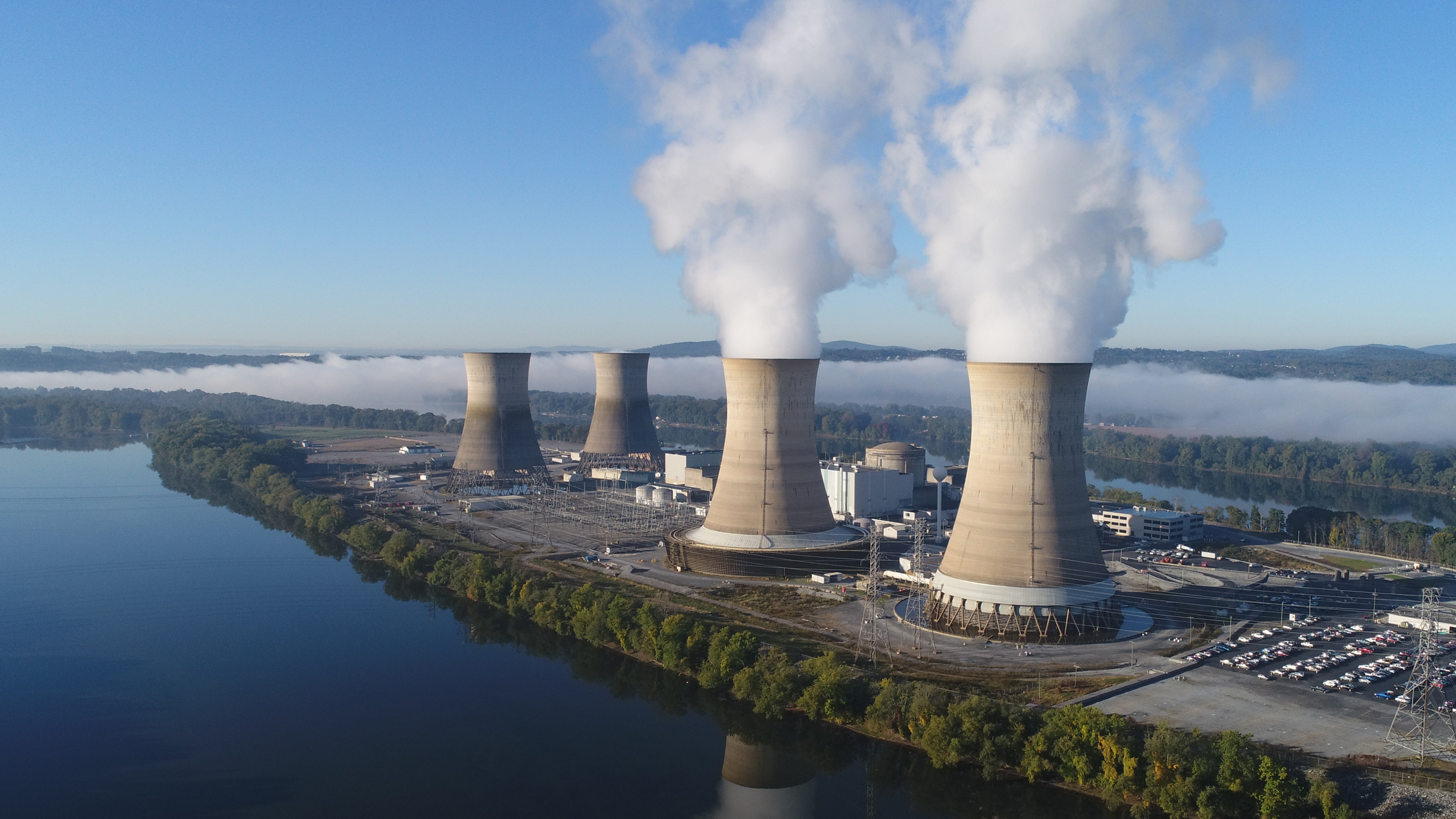
Three mile island is a perfect example of how technology was not at the point that it needed to be at to effectively control and operate a nuclear reactor. People often blame the operators for the accident that happened at Three Mile Island. However, it should be attributed it to the lack of information provided to the operators. The operators working the night that Three Mile Island melted down were all highly qualified and skilled workers of Admiral Rickover’s Naval Nuclear program. The operators were well trained on how to manage and properly operate out-of-normal conditions. What these individuals lacked was an organized and fast system for telling them what was wrong with the plant at the immediate time that the accident happened.
A malfunction of the cooling pumps on the secondary side led to a loss of heat transfer out of the reactor, and thus an increase in pressure. This increase in pressure led to the release of steam by a pilot-operated relief valve. To make matters worse, the relief valve remained open after it met the conditions to be shut. This led to a loss of coolant in the primary system and thus a rise in plant temperatures. At this point, the control rods had been sent into the reactor and the reaction was shut down. Other safety features were set in place. At that point, the pressure levels were dropping due to the stuck open relief valve and the operators noticed that the temperature had dropped.

Having no indications that the relief valve was stuck open, the operators believed that they had a steam leak in one of their primary loops. Following the proper procedures, the coolant loops were isolated from the reactor. At this point, the operators believed that everything was properly shut down and that the problem was evaded. From here, they began to figure out where the steam leak was so that they could open the other loop. The issue was that the leak was out of the relief valve, which was not isolated from the reactor – to maintain control of the pressure through the pressurizer.
The reactor lost coolant over time and saw damage to the fuel in the reactor, thus melting down the core. The operators were left in confusion as to what had happened, all due to the lack of information in the control room.
The Aftermath
At the start of the accident, a printer used to read out error messages began printing. However, it could not keep up with the amount of errors and jammed the log of alarms. Any error code that did manage to print out were not comprehensible since it read out a line of questions marks.
The alarm and control systems for this nuclear plant were not developed enough to keep up with the growing nuclear technology. For comparison, building these plants without the computing power we have today is like building the internet without having discovered the computer.

The sensitivity of nuclear plants were unable to be fully controlled and understood with the alarm systems in place at the time. Yes, nuclear power was working out for the navy for 20 years at this point but Admiral Rickover, the pioneer of the nuclear navy had formulated a program immune to nuclear accidents. As eagerness to get nuclear plants online for commercial power generation grew, regulatory mandates were not met to make up for the lack of technological development.
The lack of computer systems and alarm priorities is one of the conclusions that came out of the accident at Three Mile Island. An expansion on the NRC (nuclear regulations committee) establishing more rigorous guidelines to place on nuclear power plants were mandated in the aftermath of this accident. This increased the price even further. Hiked up prices coupled with a downturn in public sentiment led to a hiatus in plant construction.
A Growth in Technology
Since the incident at Three Mile Island, computer technology was discovered and incorporated into manufacturing processes. From this came control loops, error management systems, and optimization simulations to improve process safety and performance.
In today’s industry, companies like Westinghouse are furthering the advancement in technology in the nuclear industry by incorporating artificial intelligence into the process controls. This will enable the prediction of issues that may arise through statistical analysis of process data to ensure safe operation. It will also be able to optimize processes by finding flaws in the plant in areas that may not be obvious to engineering staff.

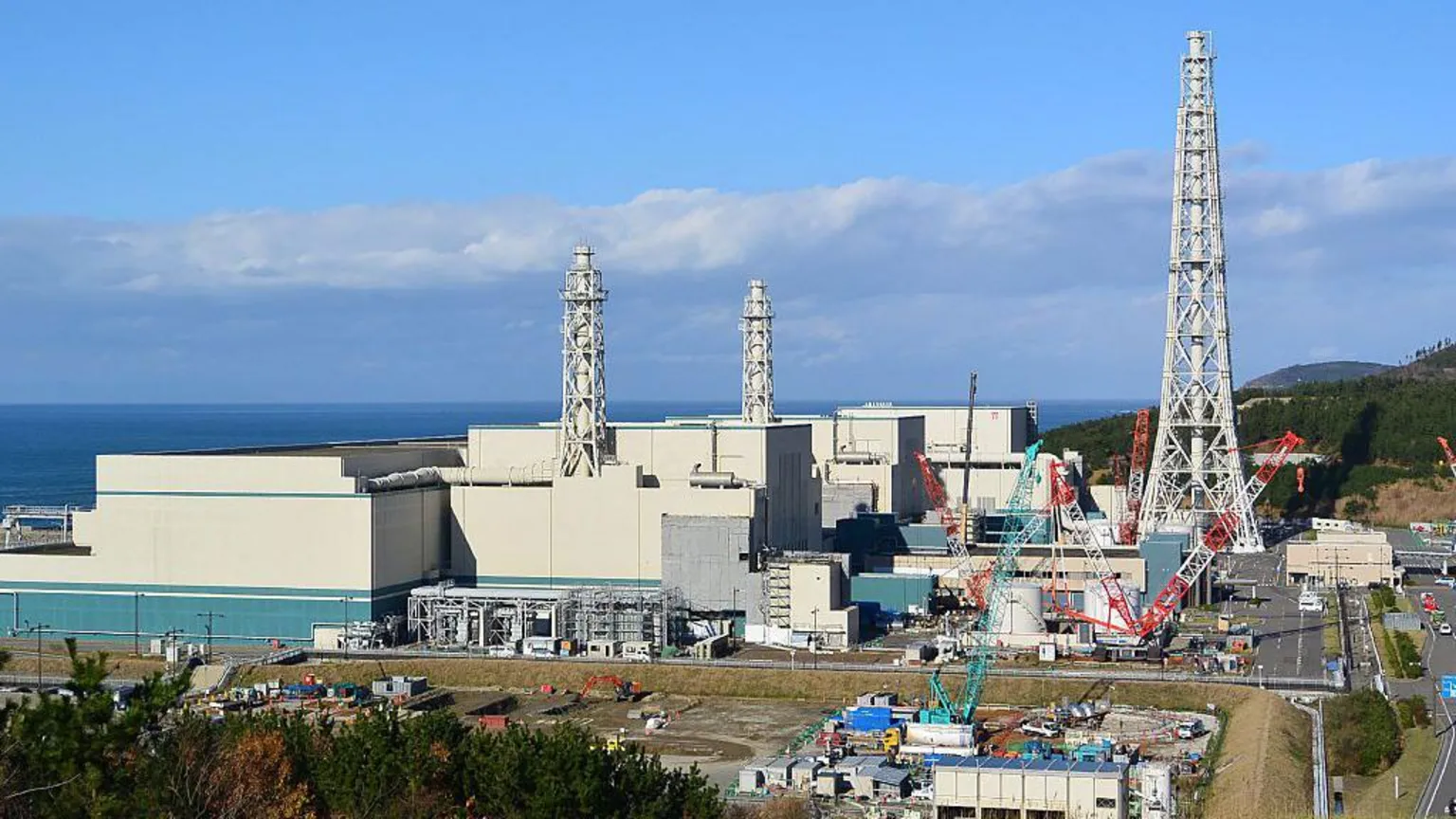
Some people will point to the incident at Fukushima and say that technology was not the reason for that accident. To that point, it was rather an of design flaws. The mistakes made at Fukushima were learned from and brought about further design regulations to ensure safety features are set in place. In this particular case, backup diesel power was set to be placed on top reactor containments to avoid any issues from tsunamis or other weather incidents.
With these technologies and regulations in place, the nuclear industry can progress once again with less concern for safety issues to arise. From lessons learned, public sentiment should be increasing as the world continues to meet power demands of our growing technology sector in a clean way.
Resources:
- Rogovin, M. (1979). Three Mile Island – A Report to the Commissioners and the Public. Nuclear Regulatory Commission.
- Westinghouse Nuclear. http://westinghousenuclear.com.

Leave a Reply