

Summary
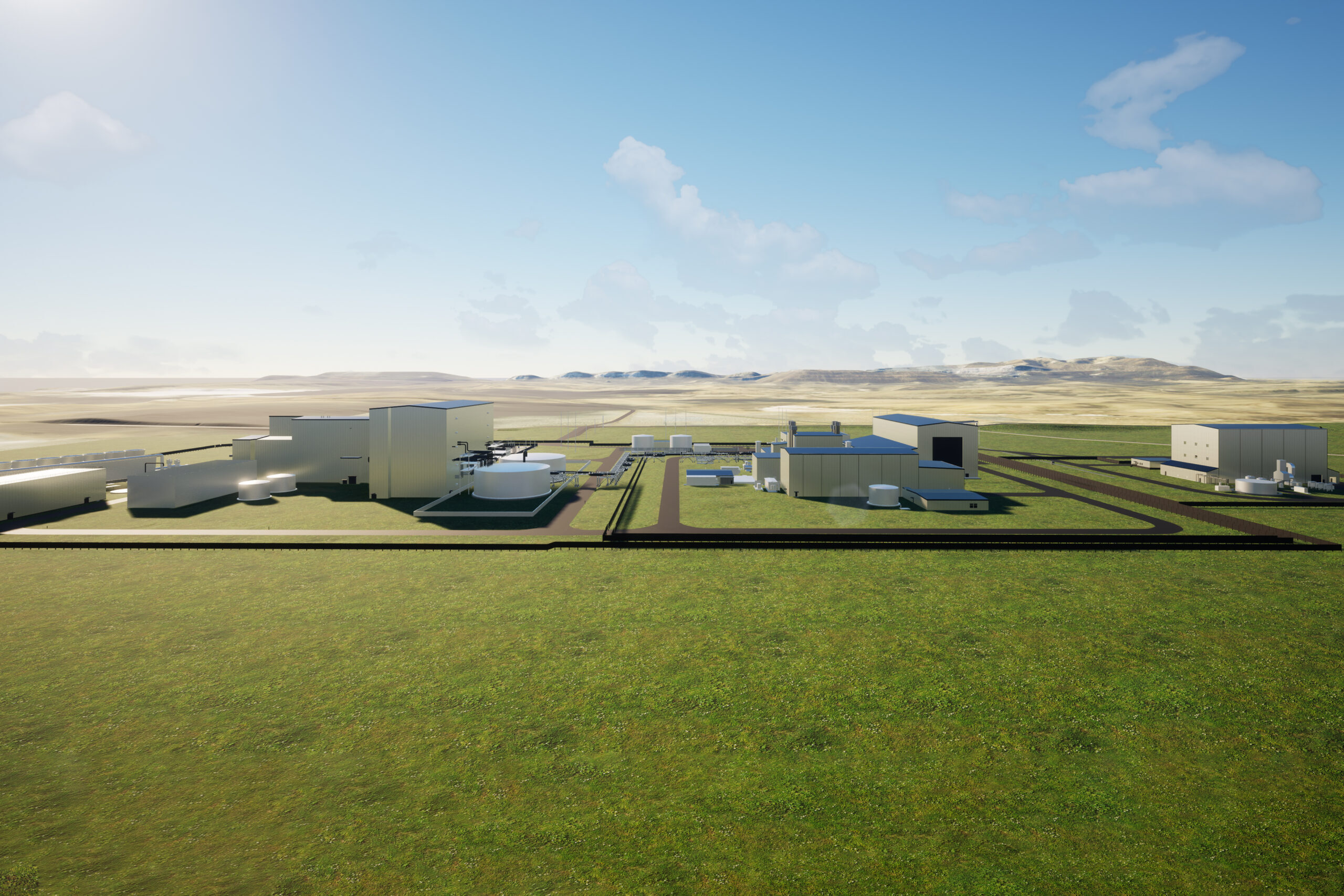
Duke Energy has filed an early site permit (ESP) application with the U.S. Nuclear Regulatory Commission for a site near the Belews Creek Steam Station in North Carolina. The ESP process addresses site safety and environmental issues in advance, reducing future licensing and construction risks. The application is technology-neutral and includes six potential reactor designs, primarily small modular and non-light-water reactors. This move aligns with Duke Energy’s broader strategy to expand nuclear capacity and support its energy transition goals.
Key points
- Duke Energy submitted its first ESP application to the NRC for a site near Belews Creek, NC.
- The ESP process resolves environmental and safety issues early, reducing project risk.
- The application covers six reactor designs, including four SMRs and two non-light-water reactors.
- No decision to construct has been made; the ESP provides future optionality.
- Duke Energy aims to add 600 MW of advanced nuclear by 2037, with the first SMR potentially online by 2036.
Why it matters
Duke Energy’s ESP filing marks a strategic shift in how large utilities manage nuclear risk, timing, and capital exposure. By pursuing a technology-neutral early site permit at a retiring coal plant, Duke preserves long-term nuclear optionality without committing to a specific reactor or near-term construction. The move reflects hard lessons from past large-reactor cancellations and cost overruns, signaling a clear preference for smaller, more flexible nuclear deployments. With load growth accelerating and coal retirements approaching, the ESP positions Duke to respond quickly if SMRs or advanced reactors mature—while reducing regulatory, financial, and schedule risk for customers and investors under U.S. Nuclear Regulatory Commission oversight.
Read more coverage about Duke Energy on Neutron Bytes here: Duke Energy Submits Early Site Permit at Coal Plant Site | Neutron Bytes
Source

Leave a Reply