

“In 36 months, Kaleidos reactors will arrive via truck and within 48 hours plug in, power on, and provide resilient, cyber-secure power to our nation’s Air Force for years without refueling.” Radiant’s founder and CEO, Doug Bernauer
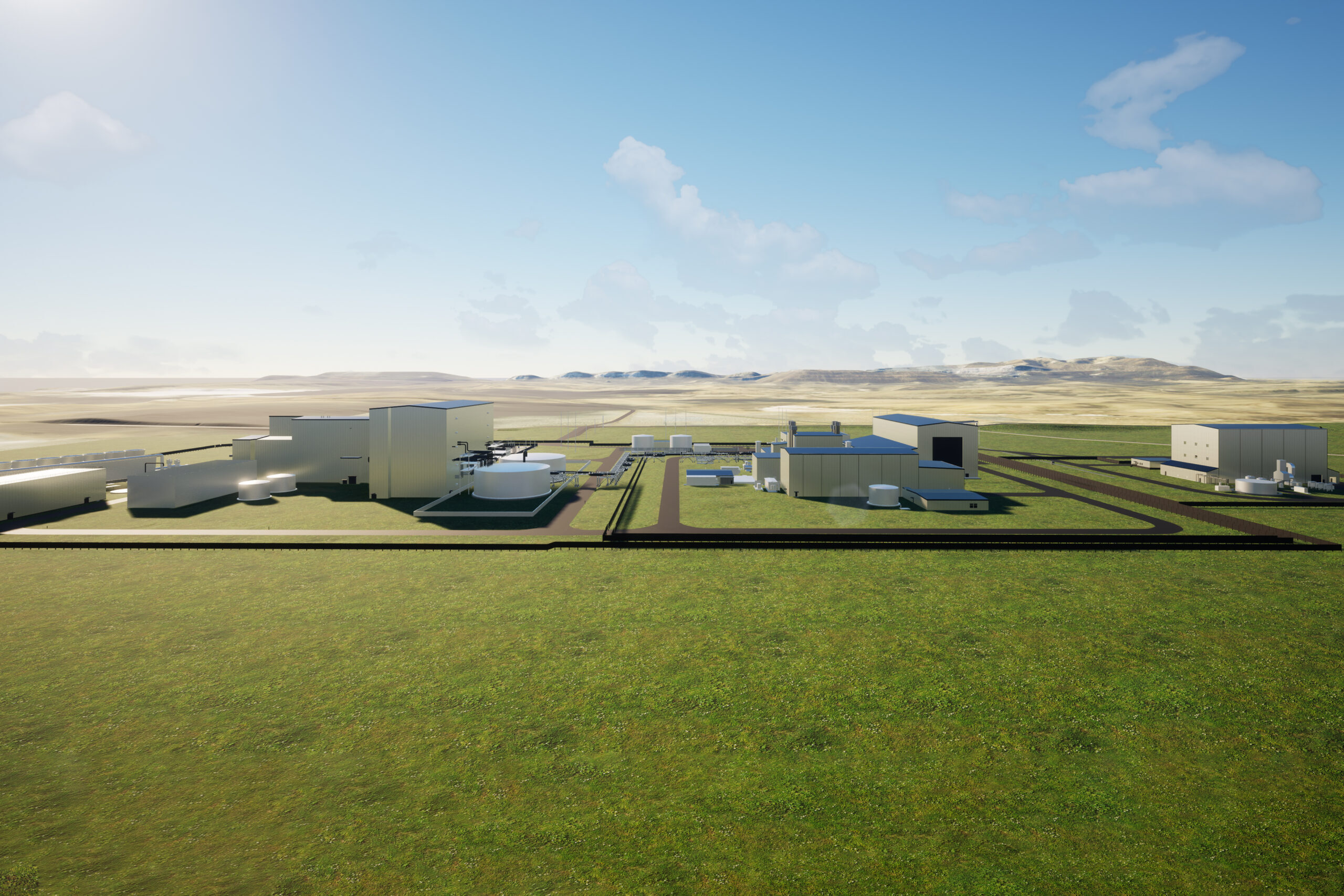
It is obvious that nuclear energy is entering a new era when a nuclear reactor can be delivered by truck and begin generating electricity at a U.S. Air Force base in as little as two days. That is the goal of Radiant Nuclear’s most recent agreement with the Department of the Air Force and the Defense Innovation Unit (DIU), which will see the first mass-produced microreactor arrive at a U.S. military facility by 2028. The California-based startup’s system, a 1-megawatt electric reactor that can be transported practically anywhere, is called Kaleidos. In contrast to conventional plants, Kaleidos uses TRISO fuel, which consists of small, triple-layered fuel particles designed to endure harsh environments, along with a graphite-moderated, gas-cooled design that removes many of the hazards connected to older reactor types.
Turning Prototypes into Power
In 2026, Radiant’s reactor will go through its first significant test at the Demonstration of Microreactor Experiments (DOME) facility at Idaho National Laboratory. This will be the first completely new U.S. reactor design tested at INL in almost 50 years, marking a significant milestone. The U.S.’s direction towards this new reactor type highlights how quickly microreactor development has advanced.
The first Kaleidos unit will power a U.S. Air Force base in 2028 if testing proceeds according to schedule. The project is in line with a growing trend in both government and industry to switch nuclear power from large, stationary infrastructure to factory-built, modular systems that are easier to deploy, safer, and smaller.
Modernizing Military Energy Systems
Long fuel supply lines and diesel generators have been essential to the operation of US military installations for many years. Pentagon’s Advanced Nuclear Power for Installations (ANPI) program seeks to change that by deploying microreactors that can provide independent, clean, and dependable energy both domestically and internationally.
The Department of Defense recognize microreactors as a component of a larger plan to enhance national security, not just a sustainability initiative. In a world increasingly threatened by cyberattacks and large-scale energy disruptions, a portable, self-contained nuclear reactor offers secure and continuous power for critical operations when the grid fails.
Broader Impacts of the Kaleidos Design
Radiant’s long-term objectives go well beyond military uses. In areas where traditional grids do not reach, the company sees Kaleidos reactors providing a reliable and clean source of electricity. This includes off-grid research stations, remote communities, and disaster relief locations. Radiant is putting itself at the center of energy innovation and security strategy by reducing nuclear power to a human scale, one truck, one megawatt at a time. Its most recent agreement is more than just a contract; it’s a sign that portable nuclear power is becoming a reality.

Leave a Reply