

November 5th and 6th marked the Global Nuclear Economic Summit hosted by Purdue University in West Lafayette, Indiana. The event featured keynote speakers, panel discussions, facility tours, and a “fireside chat” with University President Mung Chiang and Indiana Governor Mike Braun. Speakers focused on the significant progress made in recent years. They emphasized the direction both the state and the nation are heading. Interestingly, many noted that it is not technical limitations hindering the rollout of nuclear infrastructure. Instead, the primary roadblocks are economic constraints and supply chain limitations.
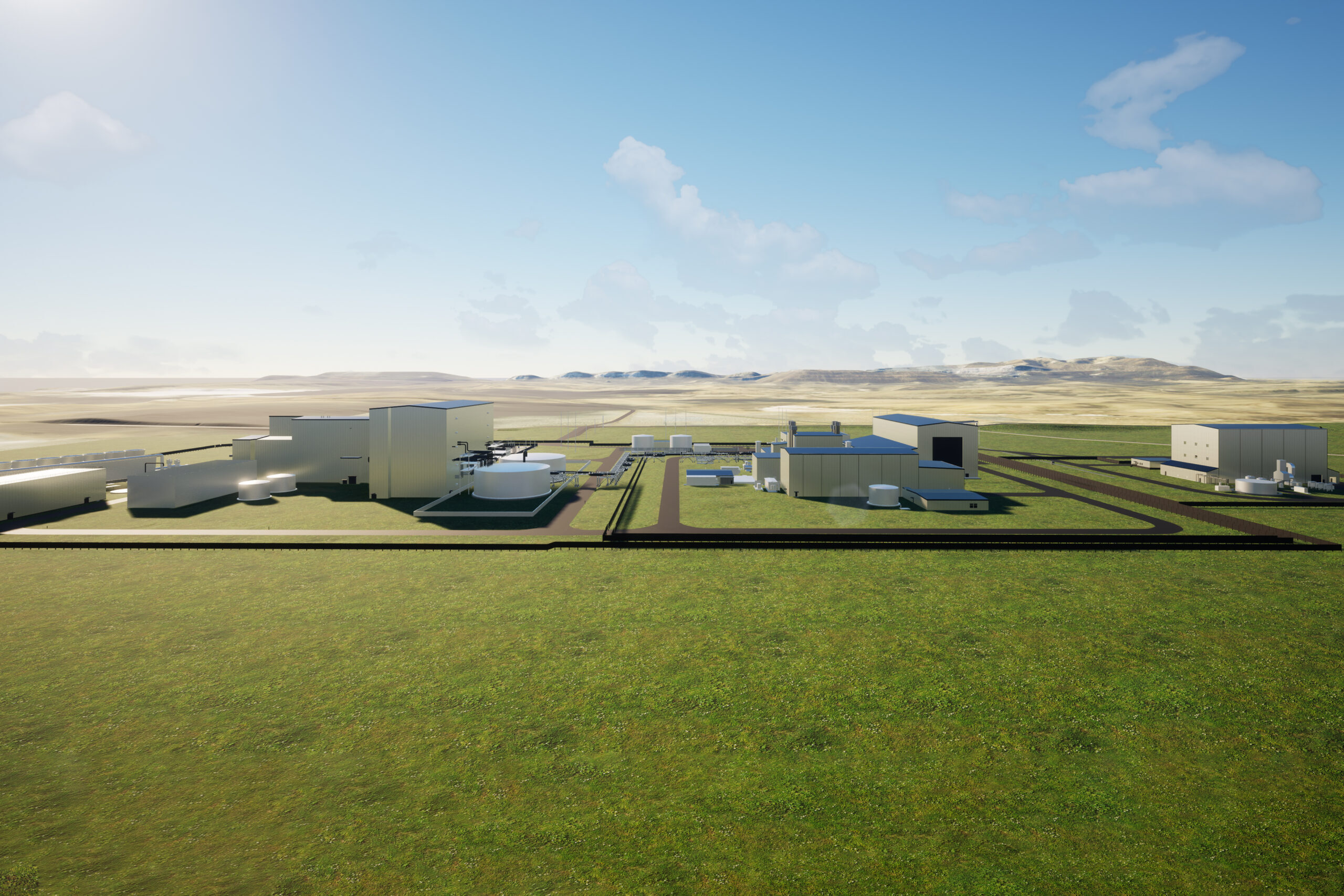
One company reflecting this forward momentum is AES Indiana. President Brandy Davis-Handy, representing one of the five largest private energy producers in the state, announced that AES will begin studying the potential for Small Modular Reactors (SMRs) to replace their Eagle Valley and Petersburg power plants. This is only in the early stages of planning. Nonetheless, it represents a concrete step toward increasing the prevalence of nuclear power. Among the challenges discussed by Davis-Handy and others were siting studies and transmission line compatibility. Also mentioned were supply chain and manufacturing delays, as well as overall economic viability.
On average, the construction costs of nuclear power plants are roughly double their initial estimates. This is largely due to the issues mentioned above. They lead to delay-induced labor cost increases, foreign material procurement, and high upfront research and siting expenses. Besides these economic factors, speakers emphasized the immense value universities such as Purdue bring to the industry, particularly in training the next generation of nuclear engineers. They also highlighted a widespread lack of manpower across all aspects of development and rollout. This includes technicians and operators, as well as builders and domestic fuel suppliers.
Meeting Future Demands:
Looking ahead, a common challenge facing not just AES but the industry as a whole is the feasibility of existing infrastructure to meet future energy demands. BWXT President and CEO Rex Geveden attributed the expected surge in energy demand to the rapid expansion of AI and data centers. Both place immense loads on the power grid. As more data centers are constructed and AI becomes increasingly integrated into everyday life, the nation’s energy needs are expected to grow dramatically. Nuclear power is widely regarded as one of the most efficient and sustainable energy sources to meet this growing demand. As Governor Braun put it, “I feel confident that, if we play our cards right, Indiana will be first on SMRs—on having data centers without burdening the average taxpayer.”
The discussions at Purdue underscored that collaboration between universities, government, and industry will be critical in realizing this vision. Securing a sustainable, high-capacity energy future for the state and the nation is the ultimate goal.

Leave a Reply