

Safety Relief Valves (SRV) are widely used in the nuclear industry as overpressure protection. When a set pressure is reached in a reactor pressure vessel (RPV), a spring-loaded seat lifts to relieve pressure by sending steam to a suppression pool. This helps to protect the vessel and manage power generation during transients in steam production.
Historically, these have been troublesome due to their tendency to get stuck open after years of operation, creating a continuous blowdown path of RPV steam. They also experience a shift in set tolerances as they continue to cycle over their lifetime of operation. These conditions may lead to serious issues in plant operation as temperatures begin to rise with decreasing RPV pressures.
The Three Mile Island incident occurred due to a stuck open relief valve, causing an unrecognized loss of coolant leading to a partial meltdown. Accident progression occurred when DC power was lost at the Fukushima Daiichi plant and operators were not able to actuate the SRVs closed to depressurize the BWR. Many more plants during nuclear operation reported issues with their SRV, to include Brunswick 2 in 2008 which had to SCRAM their reactor due to a faulty opening of the SRV, Browns Ferry 3 in 2010 with found that that 8 of 13 SRVs failed to relief at the set pressure due to corrosion-induced bonding at the pilot, and Hatch 1 in 2016 which had noticed performance concerns leading to the replacement of all SRVs at their next outage.
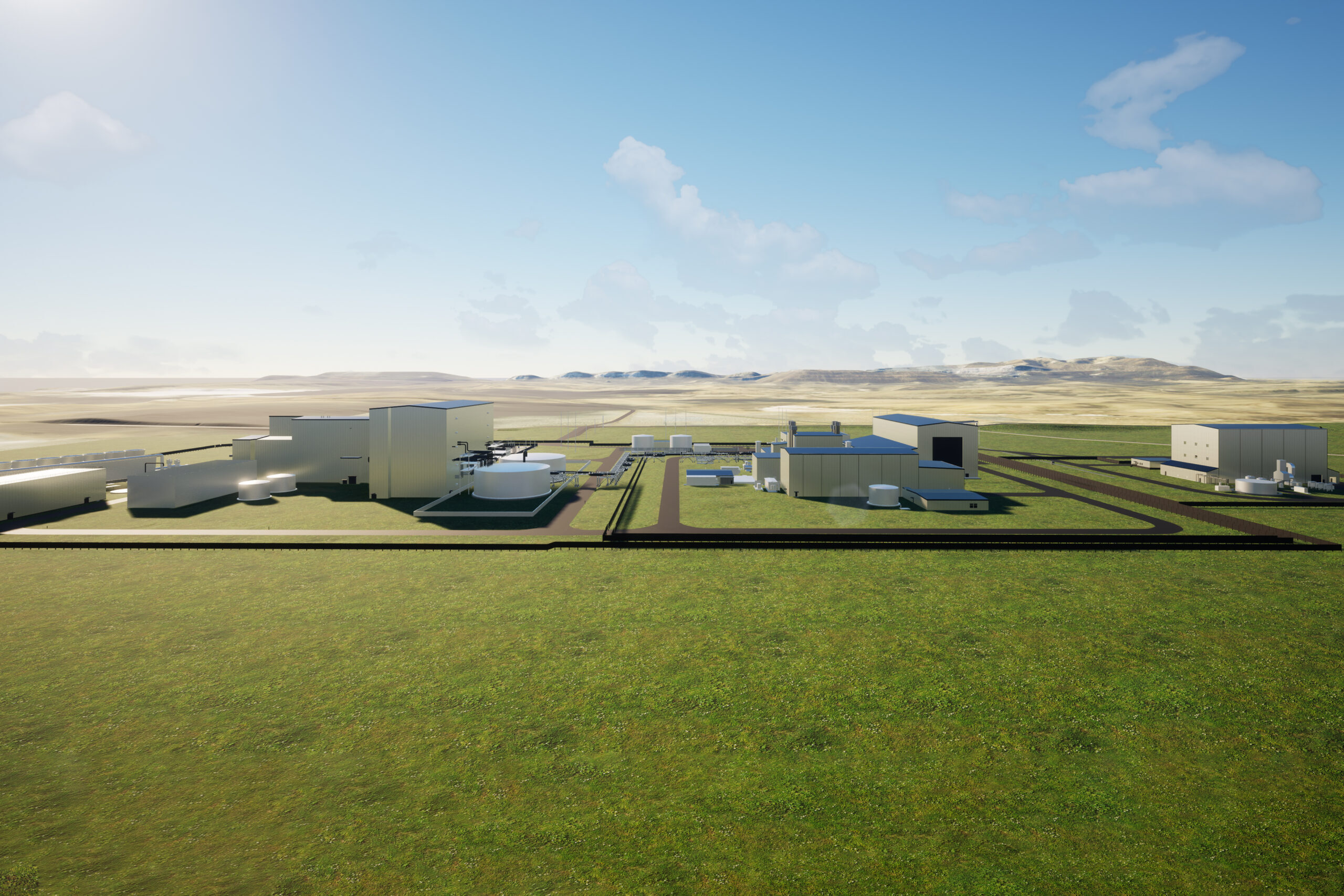
GE Hitachi has decided to design SRVs out of their new reactor plant design, the BWRX 300 which is an SMR rated to generate 300 MWe. They believe that designing them out will minimize risk, increasing overall safety of the plant.

Though it makes sense to cut these valves from the design to mitigate issues associated with them, they did provide safe benefits for the plant. SRVs give BWRs a power-independent, fast-acting, and well-understood backstop for vessel overpressure and transient control, plus the ability to rapidly depressurize for low-pressure injection—adding real defense-in-depth even if they do increase system complexity. With planned maintenance during outages, these relief valves can be tested, repaired, or replaced to maintain proper and safe functionality over the lifetime of its reactor plant. SRVs provide operators with familiar technology, as they are standard features on nearly all boiler plants.
GE Hitachi’s new design will implement different overpressure mitigation steps which they believe will aid in the overall safety of the reactor plant. The use of isolation condensers provides the same level of protection by removing heat to mitigate over pressurization in the RPV. The isolation condensers system (ICS) consists of a natural convection loop that brings steam from the RPV to condensers sitting in a pool to drive the temperature down within the plant for a safe transient, avoiding overpressure scenarios. The implementation of the ICS supplies overpressure protection compliant with ASME Section III.

Although the ICS is safe in nature, curiosity arises surrounding how it handles fast-rise pressure events, how robust the ICS actuation is, and what the failure modes of the system are. With SPVs, there is history and a knowledge of how to properly maintain them and how to operate a reactor plant with them. However, they do present issues as demonstrated in the past which GE Hitachi will eliminate with their new design. All in all, the BWRX 300 design offers a new class of safety features focused on minimizing components and their failure points. Their ICS design utilizes passive, natural heat controls to moderate pressure within the plant. Eliminating SPVs means eliminating the issues associated with them, leading to a safer nuclear future. What are your thoughts?

Leave a Reply