

Hydrogen is a key element used for many processes around the world. Petroleum refining, chemical manufacturing like ammonia, and supplying transport vehicles with fuel are all examples of applications that hydrogen is used in. The demand for hydrogen is expected to grow tenfold by 2050 with the expanding search for clean energy fuels. In this article, we are going to take a look at two methods for manufacturing pure hydrogen, the benefits and negatives of these methods, and what other options present themselves.

The Most Common Way to Produce Hydrogen is Easy
The most common method for producing hydrogen is called steam methane reforming (SMR). SMR starts with taking natural gas, which consists of mostly methane (CH4) and sending it to a reactor filled with a nickel catalyst. Here, it meets the steam stream where the combined stream is mixed, heated, and sent through the catalytic reaction. Within the reactor, the gas is heated to upwards of 1300-1800 °F (about 700-1000 C).
This mixture of activated hot steam and methane reacts to produce hydrogen and a mix of carbon monoxide and carbon dioxide. This gas is sent through a waste heat recovery unit where it is cooled by transferring its energy to more water to produce more steam to feed the reactor. From there it is sent to a condenser to cool the mixed product stream before being sent to the separation process.

Once the stream is cooled, it undergoes a high pressure and is pulled through a media of fluid to diffuse through. The hydrogen, being that is the smallest molecule in the mixture, transfers through the media before any other molecule does and the pure hydrogen stream is closed off and the pressure swings to pull suction from the media and through a membrane before going through the next tank to pull off more hydrogen. The remaining gas is sent to the burners as tail gas to feed the burners. This part of the process is called adsorption separation, and it creates a hydrogen purity of 99.999%.
An Effective, Yet Emissions-Heavy Manufacturing Process
SMR is a very effective way to produce steam and poses a great low-cost benefit due to its use of low cost natural gas and the utilization of recycle streams and heat recovery. It is the most widely used method for production for that reason.
However, it poses an environmental concern since it creates carbon emissions. Although it utilizes the waste streams well, the CO2 is emitted before burning the usable unreacted methane in the recycle stream. This is an obvious concern when considering the effects on carbon emissions on global warming. With a sudden shift away from the use of fossil fuels, SMR is not an attractive method for generating hydrogen, although its low cost of manufacturing makes a wide departure from it difficult.

Other Options are Also Effective and More Attractive
Water electrolysis has never been an effective option at producing hydrogen, especially since is uses more energy to run which meant more carbon emissions and a more expensive process. However, now with clean energy resources, the net zero carbon emissions may outweigh the higher energy costs
The water electrolysis process is very straightforward. Using a power supply from a clean and renewable source, a current at high enough voltage runs through the water, inducing two poles strong enough to split the water molecules apart and separate the hydrogen and oxygen. Although this is an energy intensive process, it is a clean one when coupled with a renewable energy power source. Another benefit of this is that you have pure oxygen which can be used and sold as well.
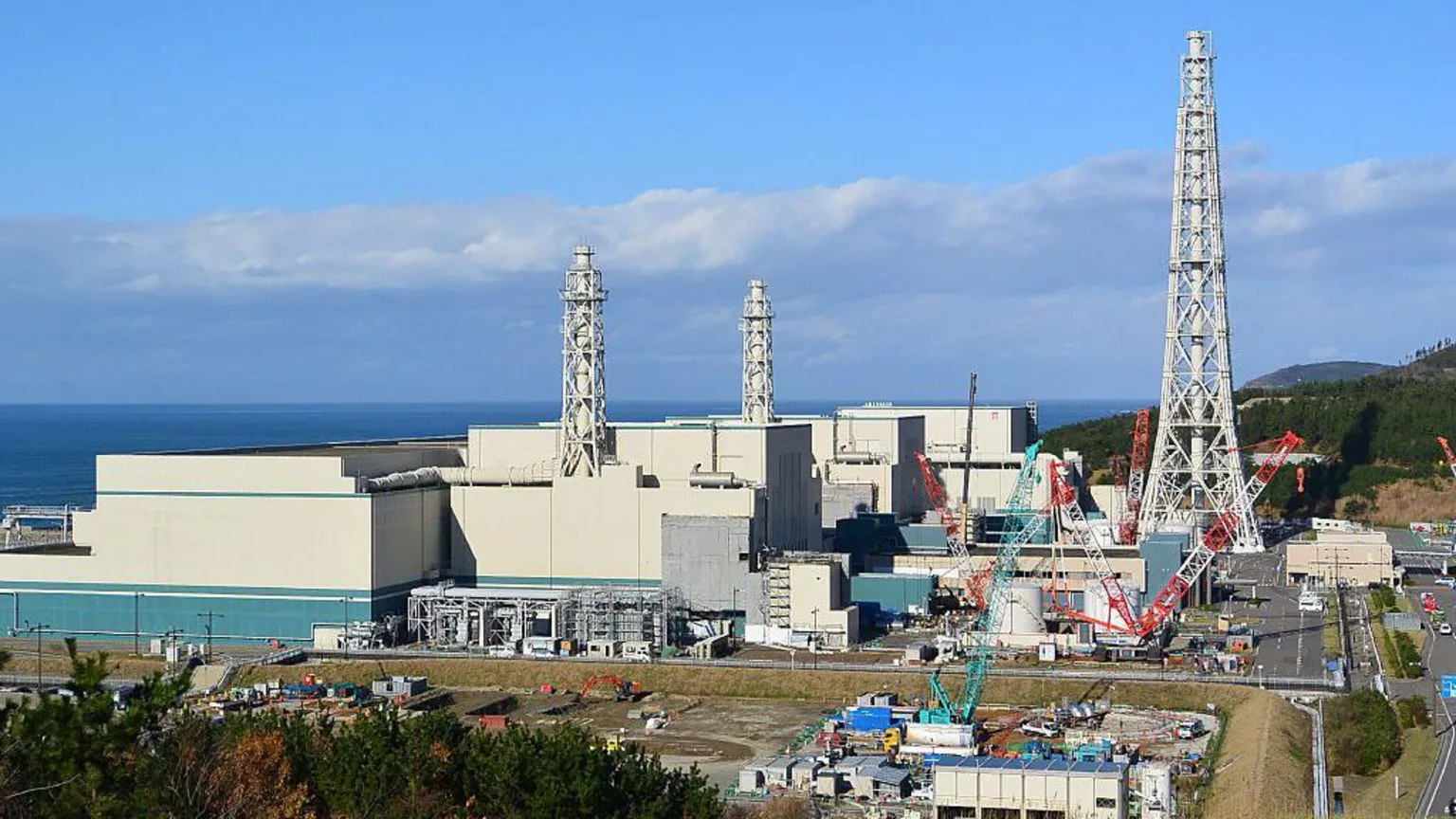
Many nuclear power companies are looking to couple their nuclear power plants with a hydrogen production facility by utilizing the electrolysis method onsite. This will generate another revenue stream for these companies while also providing clean resources to aid in powering our new clean world.

Thermochemical hydrogen production is also a consideration although it is still in its upscaling phase before largescale implementation. This process takes water and heats it to extremely high temperatures over a catalyst which spurs a reduction-oxidation reaction and splits the oxygen and hydrogen to be separated.



Leave a Reply